The Tampa Bay homeowner's tree prep plan for hurricane season
Which trees fail first, what to prune before June 1, and the 72-hour checklist our crews follow before a named storm.
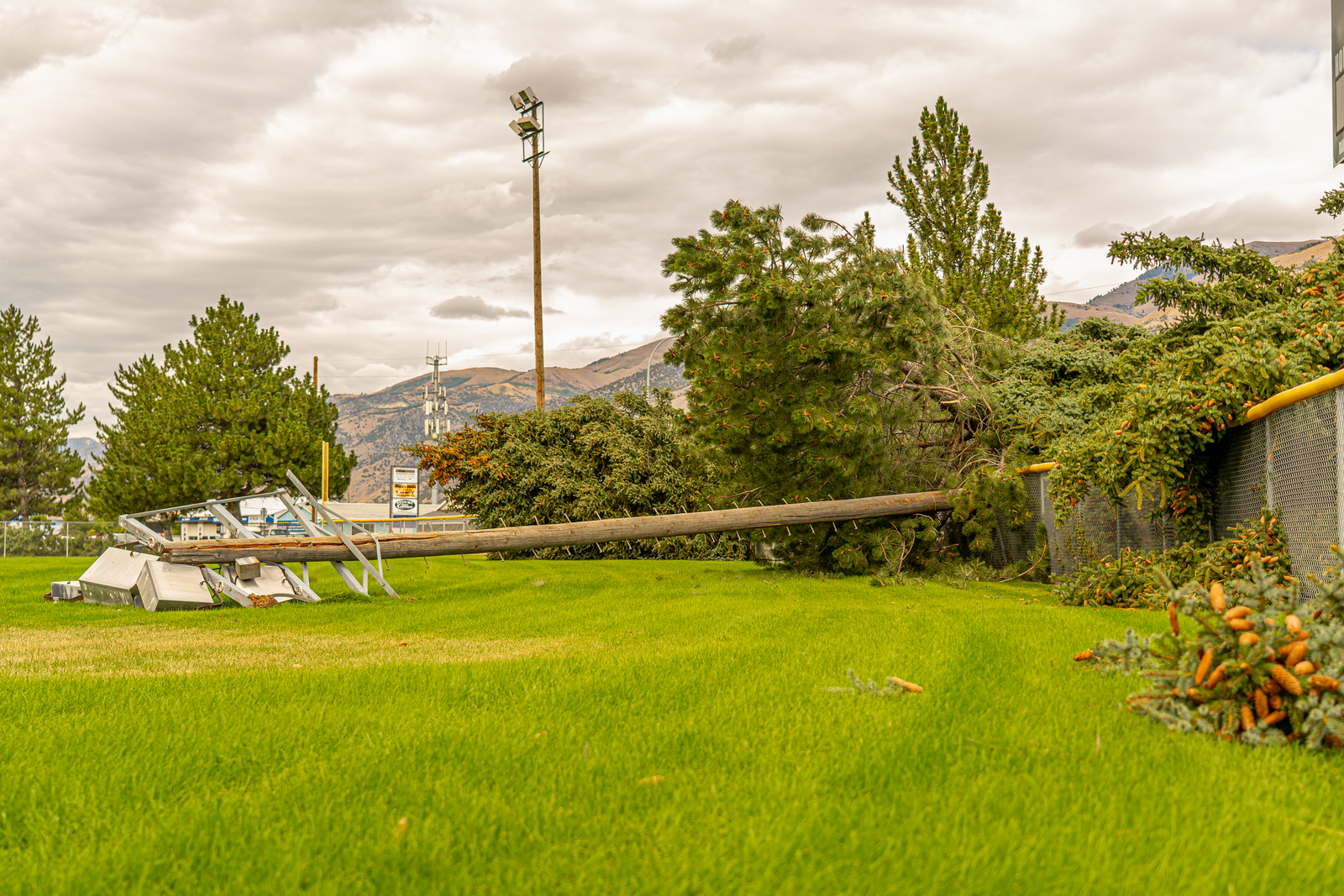
Every hurricane season we get the same call a few hundred times: a tree that looked fine in May is now on a roof in September. After seventeen seasons of storm work across Hillsborough, Pinellas and Pasco County, we have a pretty clear picture of which trees fail, why they fail, and what homeowners can do in spring to change the outcome.
The good news is that most storm damage from trees is predictable. The bad news is that the window to do something about it closes fast once the first tropical system shows up on the forecast and every tree company in the region is booked.
Which trees fail first in Tampa Bay
Species matters, but condition matters more. That said, some trees show up on our emergency list far more often than others.
- Laurel oaks over 50 years old. They grow fast, decay from the inside and often have hollow trunks that look solid from the street.
- Slash pines with bark beetle damage. Look for small blobs of sap, called pitch tubes, on the trunk. A beetle-killed pine can snap in 40 mph gusts.
- Any tree with a co-dominant trunk. Two stems of similar size growing from one union, especially with bark pinched between them, split under wind load.
- Trees with recent root damage. New driveways, pool excavations and irrigation trenches cut the roots that anchor a tree, and the effects show up years later.
- Queen palms with heavy seed pods. They are shallow rooted and top heavy, and the pods add weight right where the wind hits.
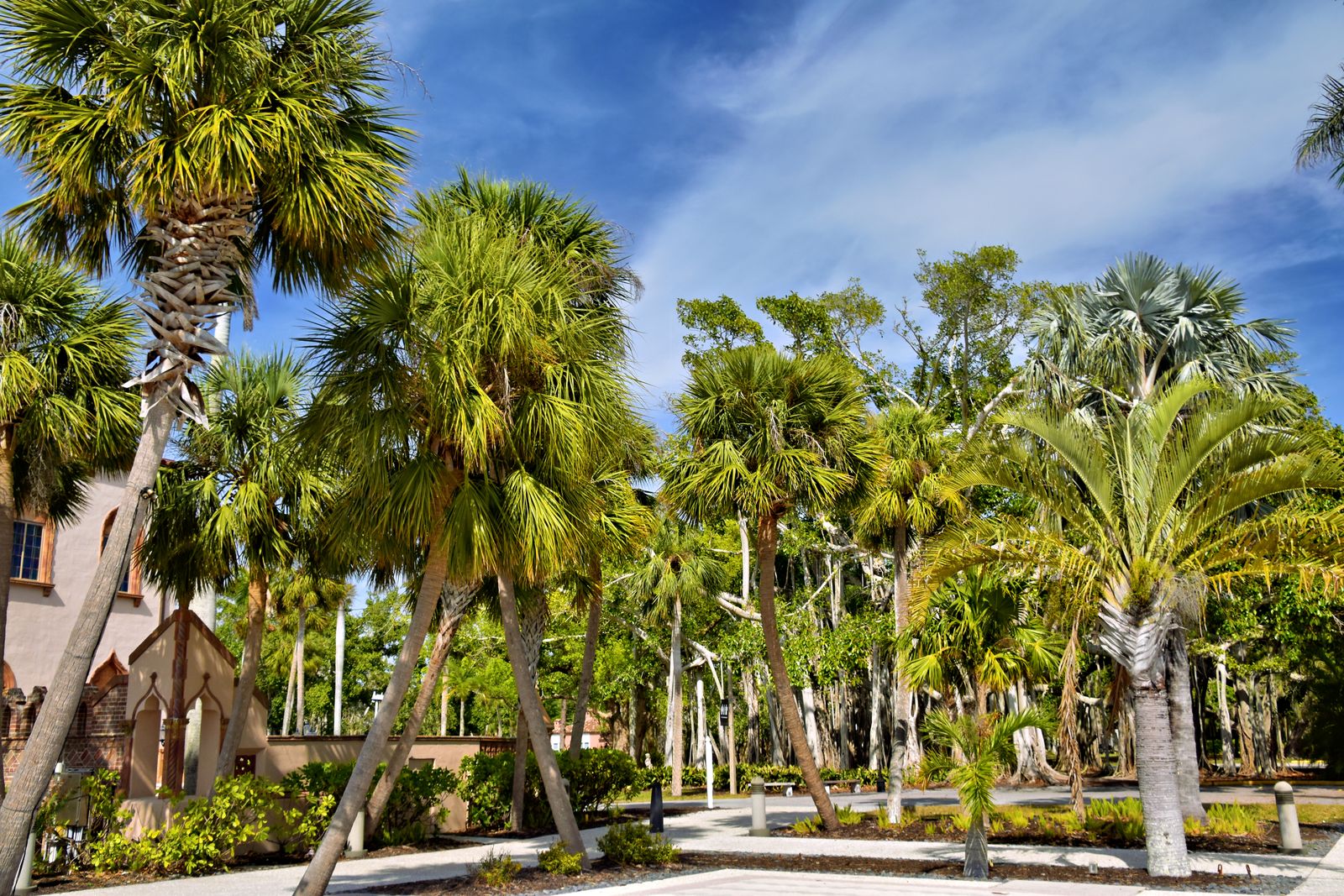
Live oaks, sabal palms and bald cypress, on the other hand, are among the most wind-resistant trees in Florida. University of Florida research after the 2004 and 2005 hurricane seasons found live oaks and sabal palms standing when many surrounding trees had failed. If you are replanting, those are the species we recommend.
What to prune before June 1
The goal of storm pruning is not to make the tree smaller. It is to let wind pass through the canopy and to remove the specific limbs most likely to break. A good arborist will focus on four things.
- Deadwood and hangers. Dead limbs are the first thing to come down and they tend to fly. Remove anything dead over 2 inches in diameter.
- End weight on long limbs. A limb that extends 30 feet over a roof with all its foliage at the tip acts like a lever. Reduction cuts shorten it back to a strong lateral branch.
- Crown density. Thinning 10 to 20 percent of the interior canopy reduces the sail effect without stressing the tree.
- Clearance. Keep limbs 6 to 10 feet off roofs, and have the utility trim anything touching the power lines from pole to pole.
Hurricane cuts that strip a tree to a few branches at the top, sometimes called lion-tailing, make trees more likely to fail, not less. If a company offers to top your tree for the storm, get a second opinion.
When pruning is not enough
Some trees cannot be made safe with pruning alone. A split union can often be supported with cables and bracing, which costs a fraction of a removal and keeps a valuable shade tree. Advanced decay in the lower trunk or root flare, on the other hand, usually means removal is the responsible call. An arborist risk assessment will tell you which situation you are in, and in most Tampa Bay cities it also provides the documentation you need for a removal permit.
The 72-hour checklist before a named storm
Once a storm is in the cone, it is too late for structural work, but there is still plenty you can do around the yard.
- Photograph every tree and the house from all four sides. Date-stamped photos make insurance claims much easier.
- Bring in or tie down patio furniture, planters, trampolines and anything a limb could turn into a projectile.
- Clear gutters and yard drains so heavy rain does not saturate the soil around root plates.
- Park vehicles away from large trees, ideally in a garage or an open lot.
- Save our storm line in your phone and know where your main water and power shutoffs are.
- Do not cut limbs yourself in the final days. Ladders and chainsaws in a hurry send more homeowners to the ER than the storm does.
After the storm
Stay out of the yard until you can confirm there are no downed lines, and treat every wire as live. Take photos before anything is moved. If a tree is on the house, leave it there until a crew can remove the weight safely, because cutting a loaded limb can shift the whole tree. Then call your insurer and a qualified tree company, in whichever order you can reach first.
If you want a professional set of eyes on your trees before the season heats up, a free estimate from our team includes a walk-through of every tree on the property and a written list of what we would do before the next storm, and what we would leave alone.
This article is general information for Tampa Bay homeowners and is not legal or insurance advice.