Tampa Bay trees, storm ready
Trimming, removals and 24/7 hurricane response from a crew that has worked seventeen seasons on this coast. Price the job in twenty seconds, then get it in writing.
- 4.91,284 Google reviews
- ISA CertifiedArborist on every job
- 38 minAvg storm arrival (sample)
Storm-ready price check
Sample ranges for Tampa Bay, 2026
Estimated range
$1,700 to $2,475
Sample figure. Your written quote follows an on-site visit.
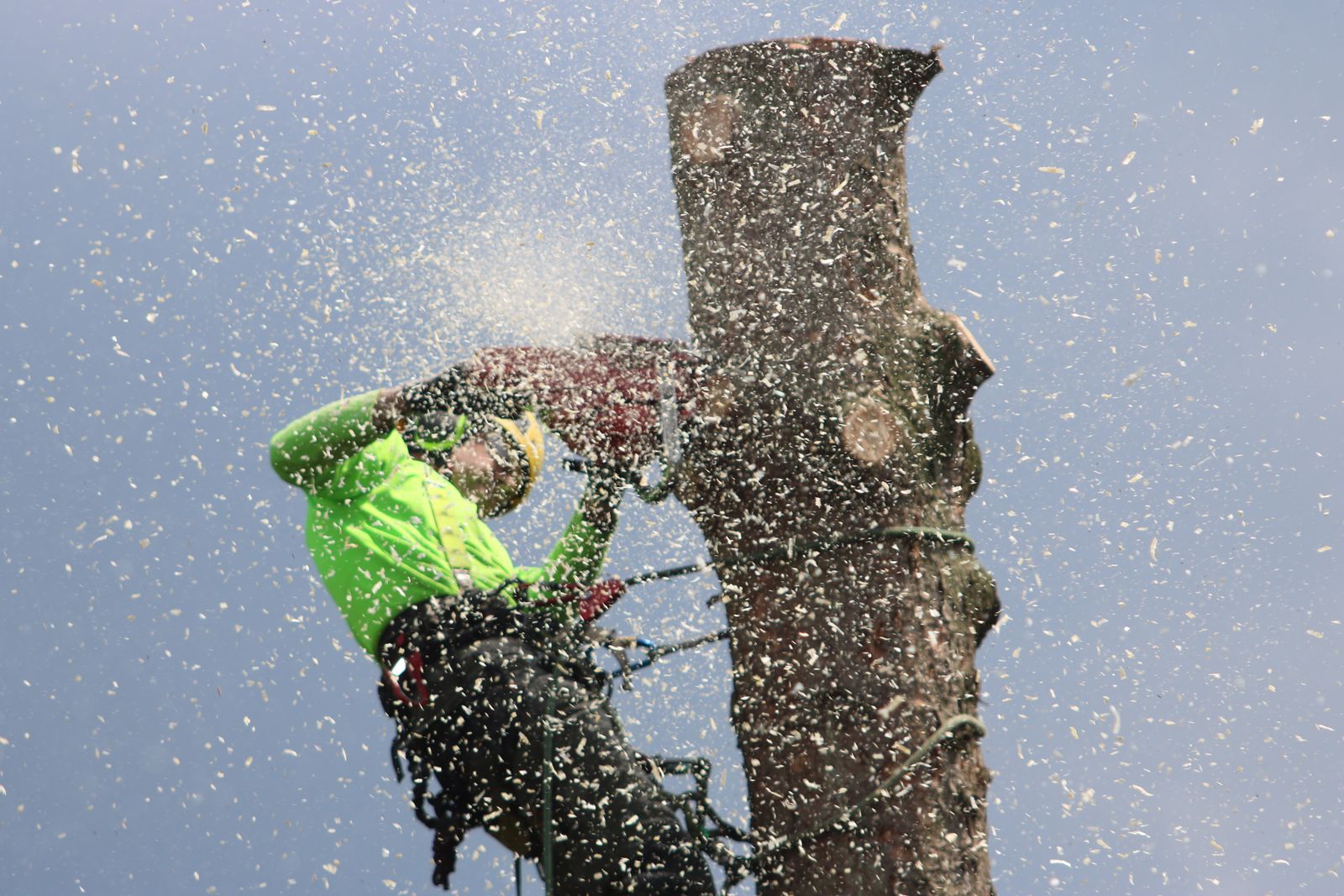
Every tree job, from one palm to a flattened lot
Eight services, each led by an ISA Certified Arborist and priced in writing before a saw starts.
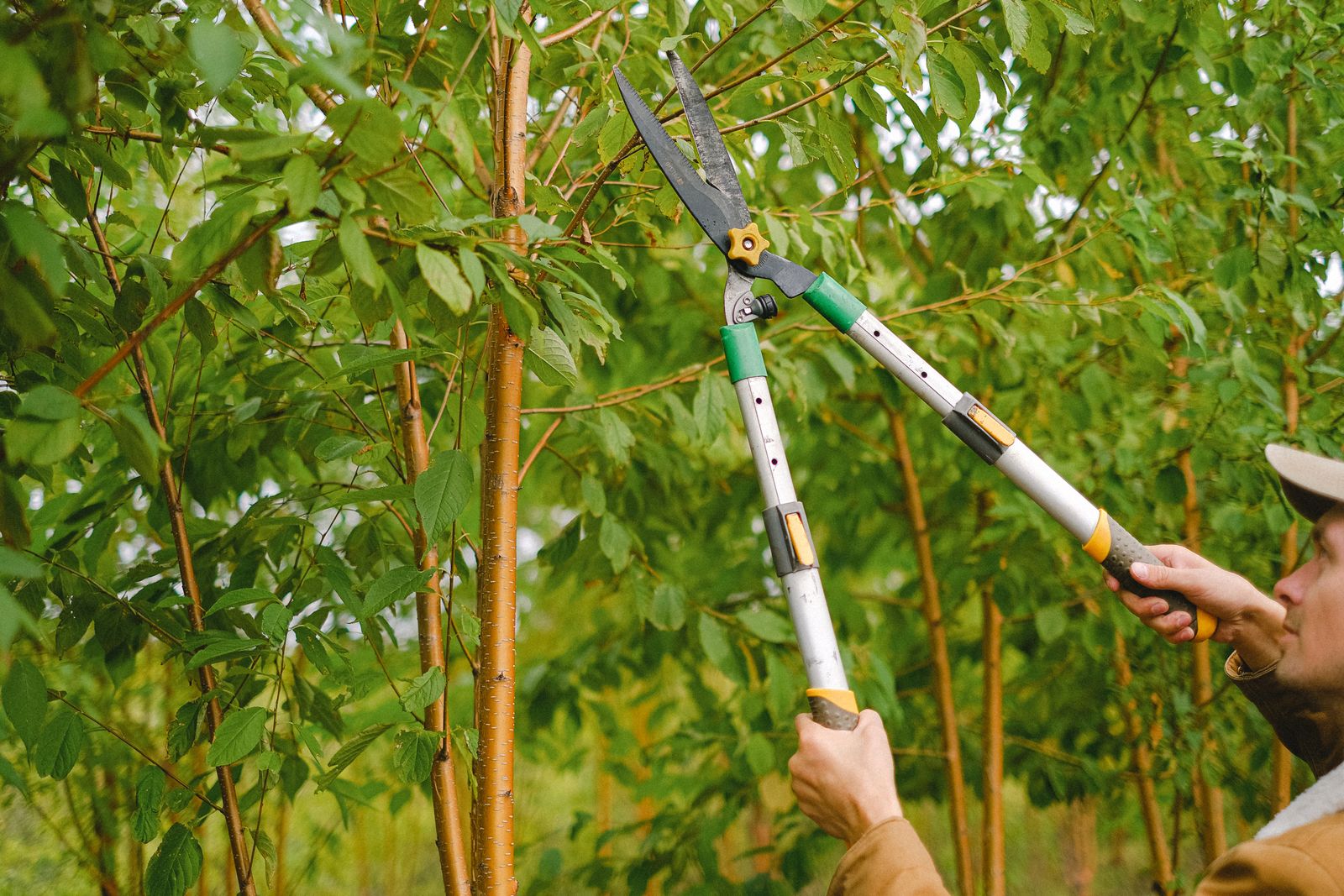 Tree Trimming & PruningHurricane-cut canopies, palm trimming, roof and power-drop clearance to ANSI A300 standards.
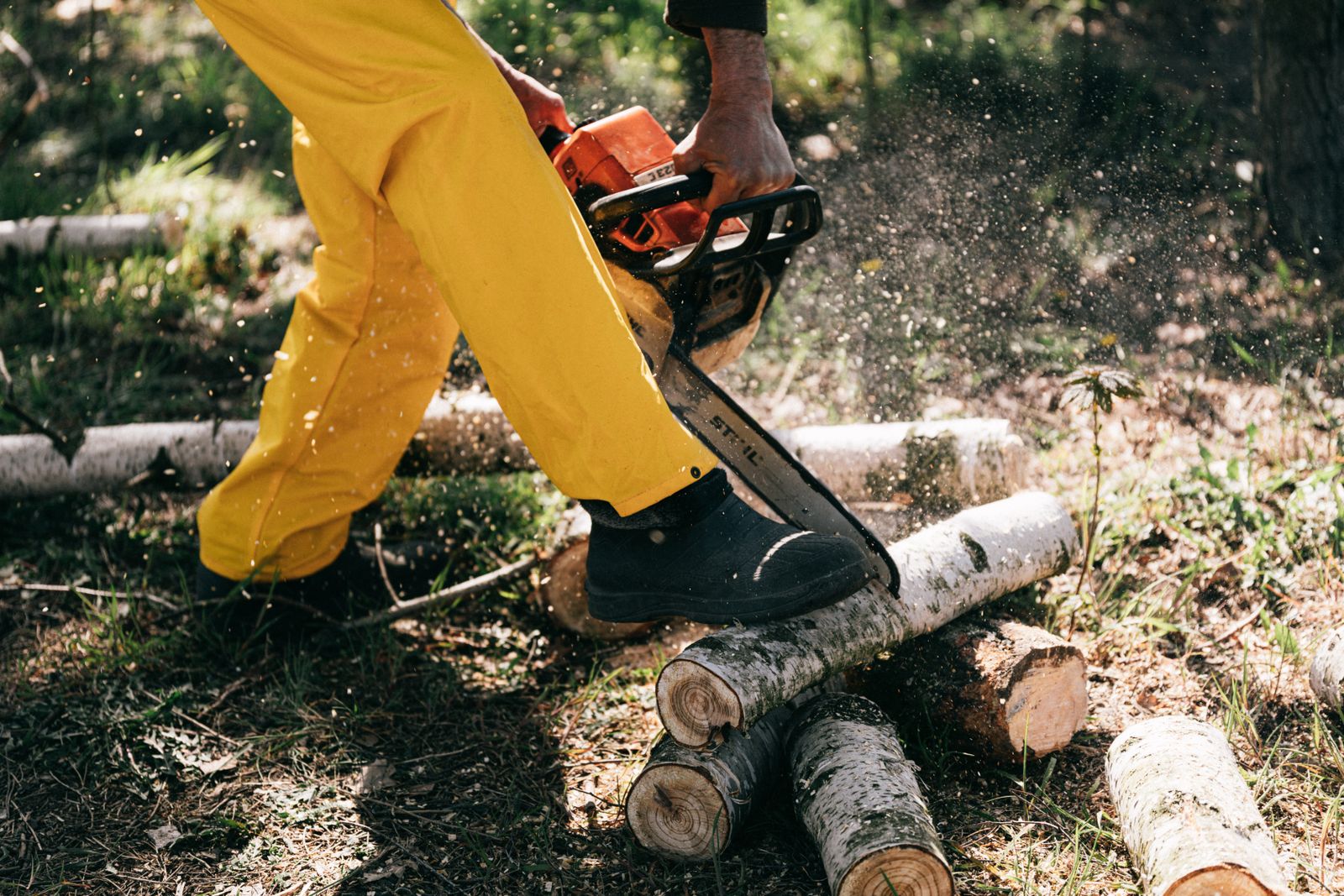 Tree RemovalControlled removals with rigging and crane support, even over roofs, pool cages and power lines.
 Stump GrindingStumps ground 8 to 12 inches below grade, surface roots chased, chips hauled or left for mulch.
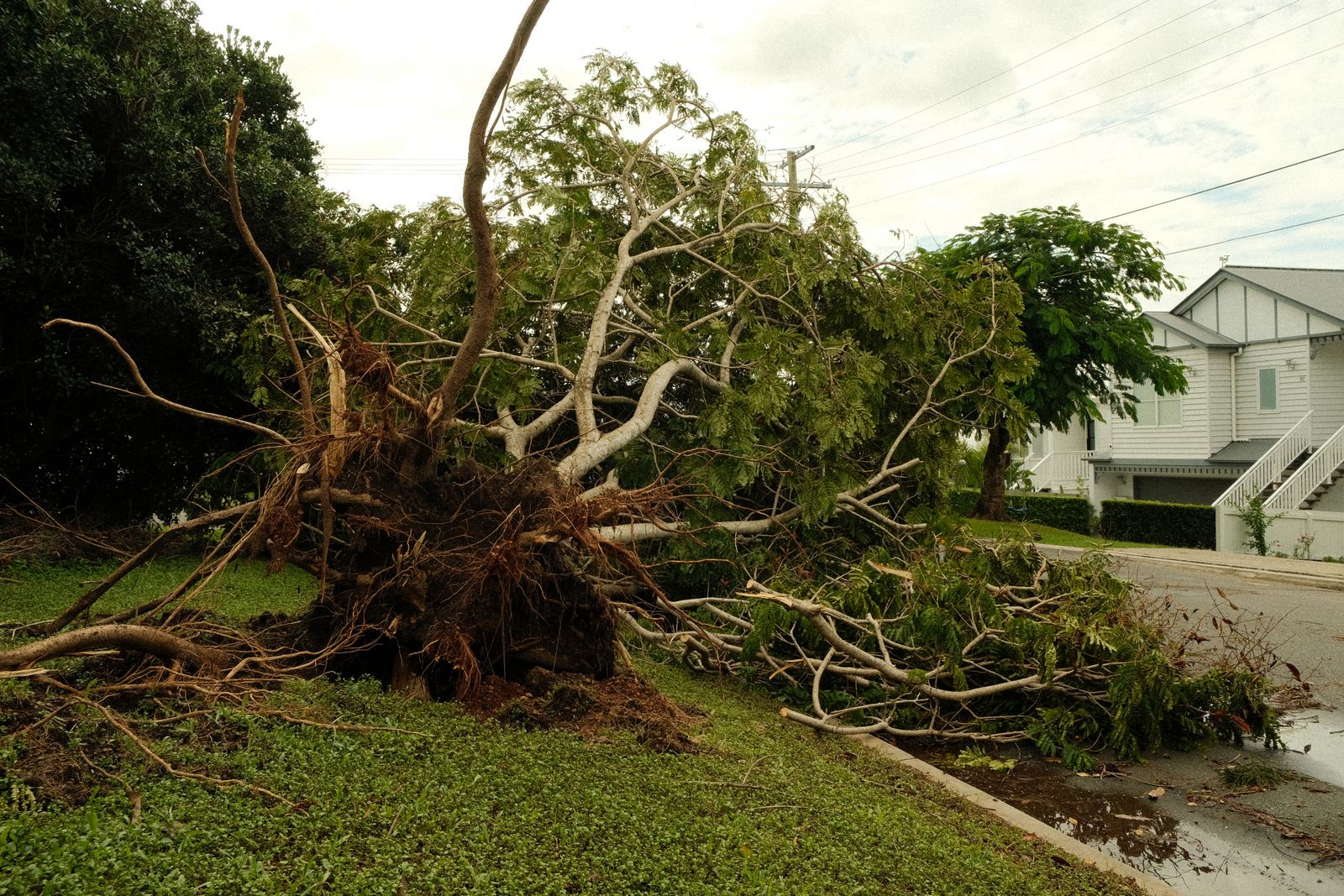 Emergency Storm Response24/7 crews for trees on roofs, cars and driveways, with tarping coordination and insurance documentation.
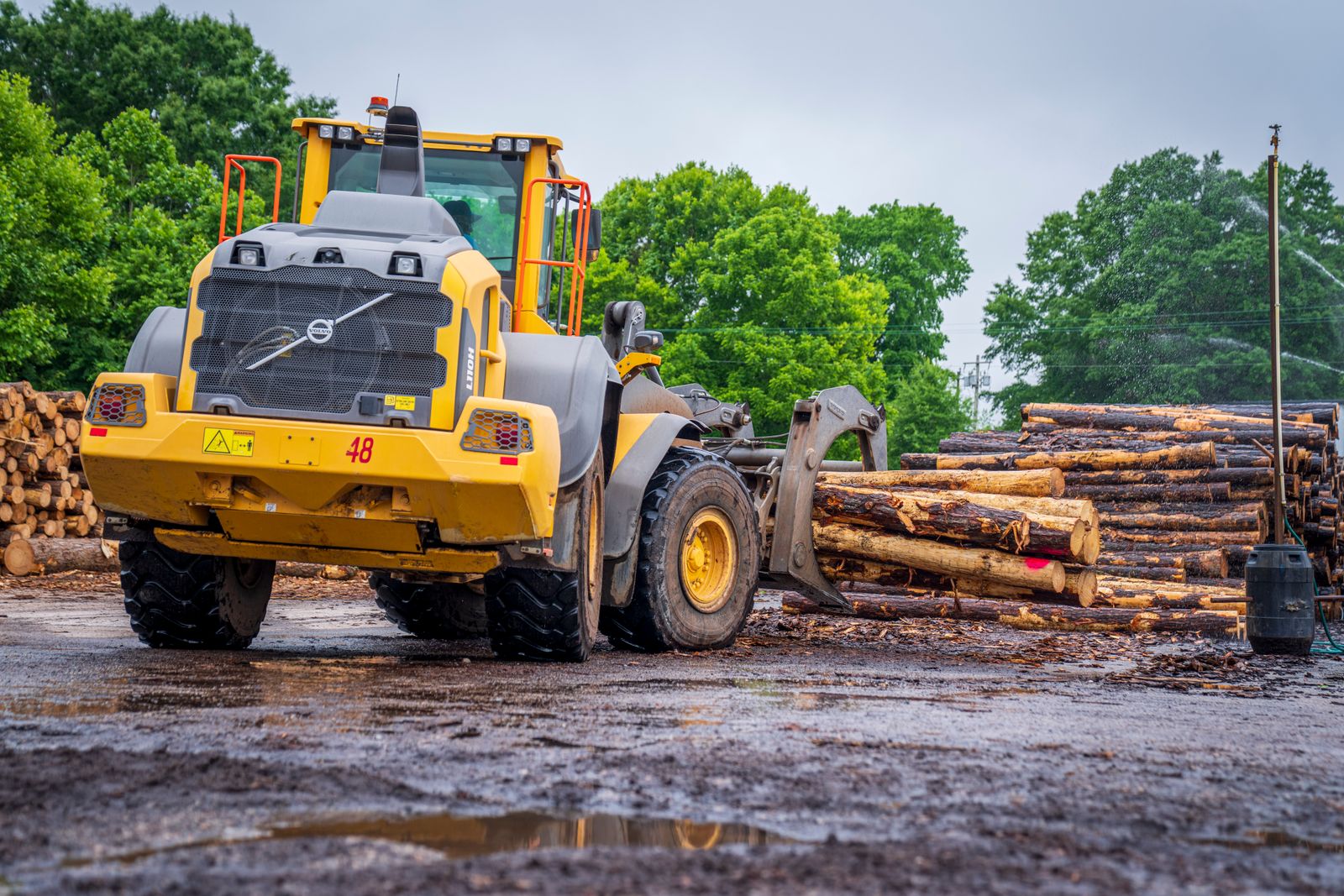 Land ClearingLot clearing, forestry mulching and brush removal for new builds, pools, fences and overgrown acreage.
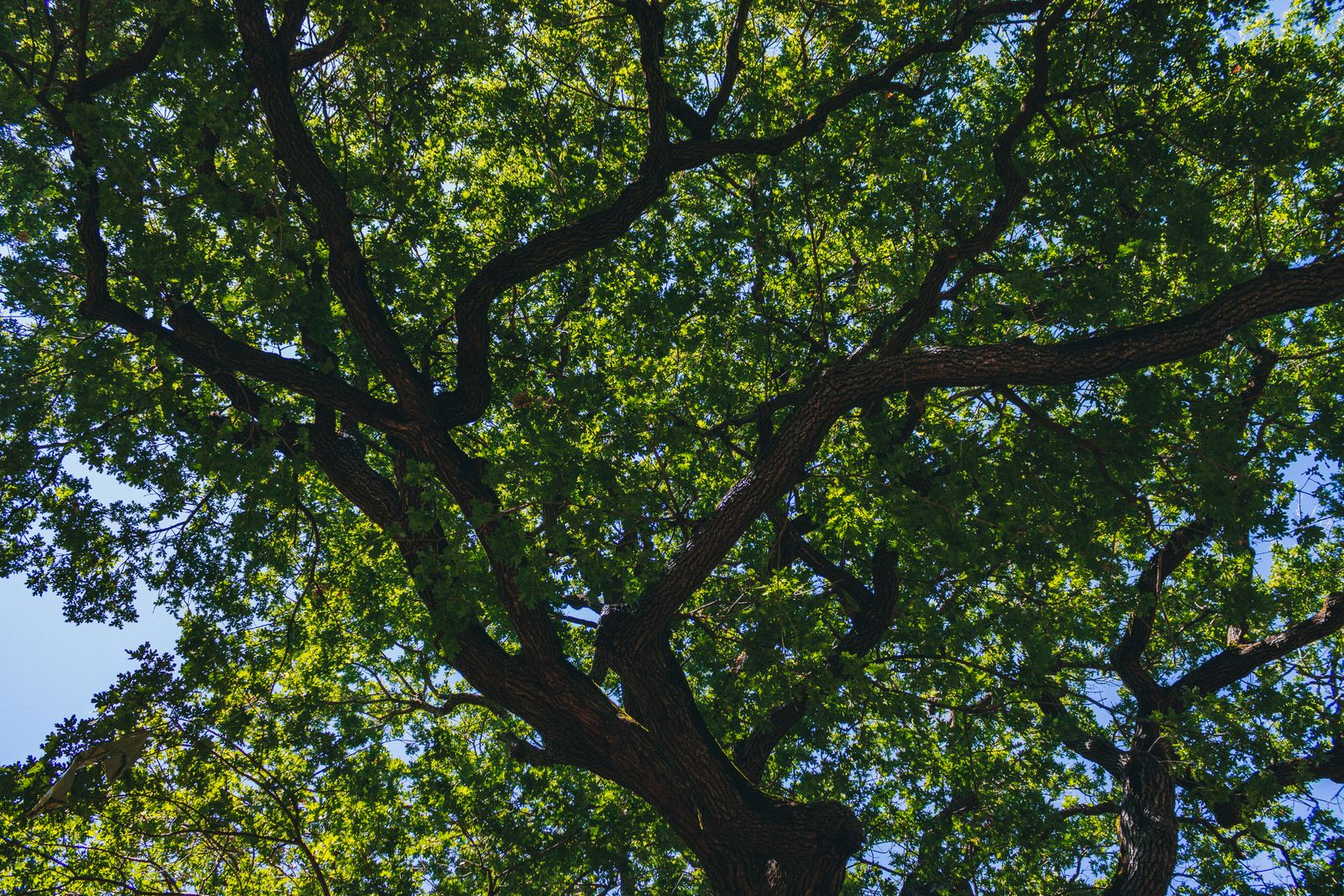 Cabling & BracingDynamic cables and threaded rods that support split leaders, heavy limbs and weak unions before a storm finds them.
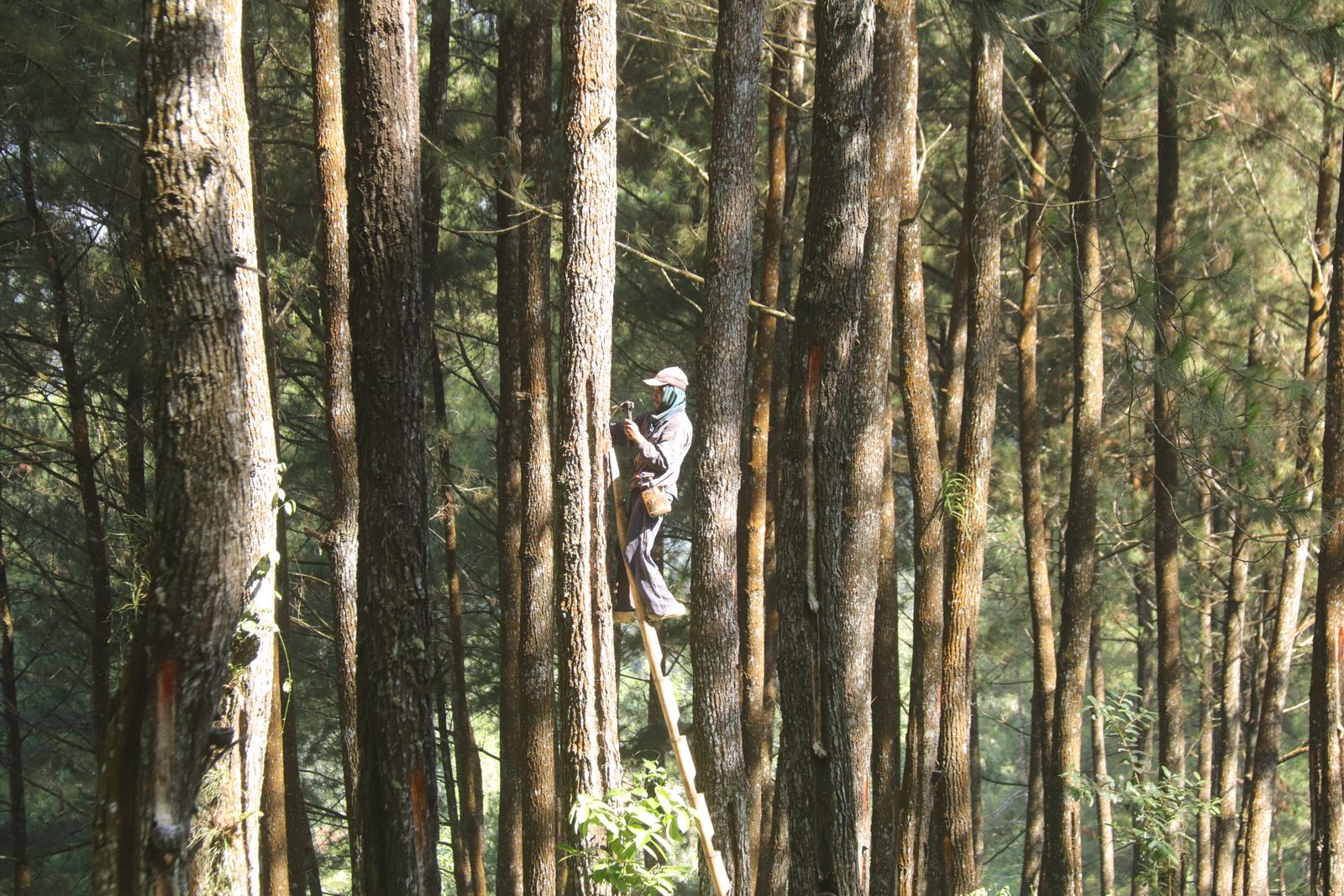 Arborist AssessmentTRAQ risk assessments, permit letters, HOA and insurance reports from an ISA Certified Arborist.
 Plant Health CareDeep-root fertilization, soil care and targeted treatment for lethal bodying, scale, borers and oak decline.
Storm night to swept driveway
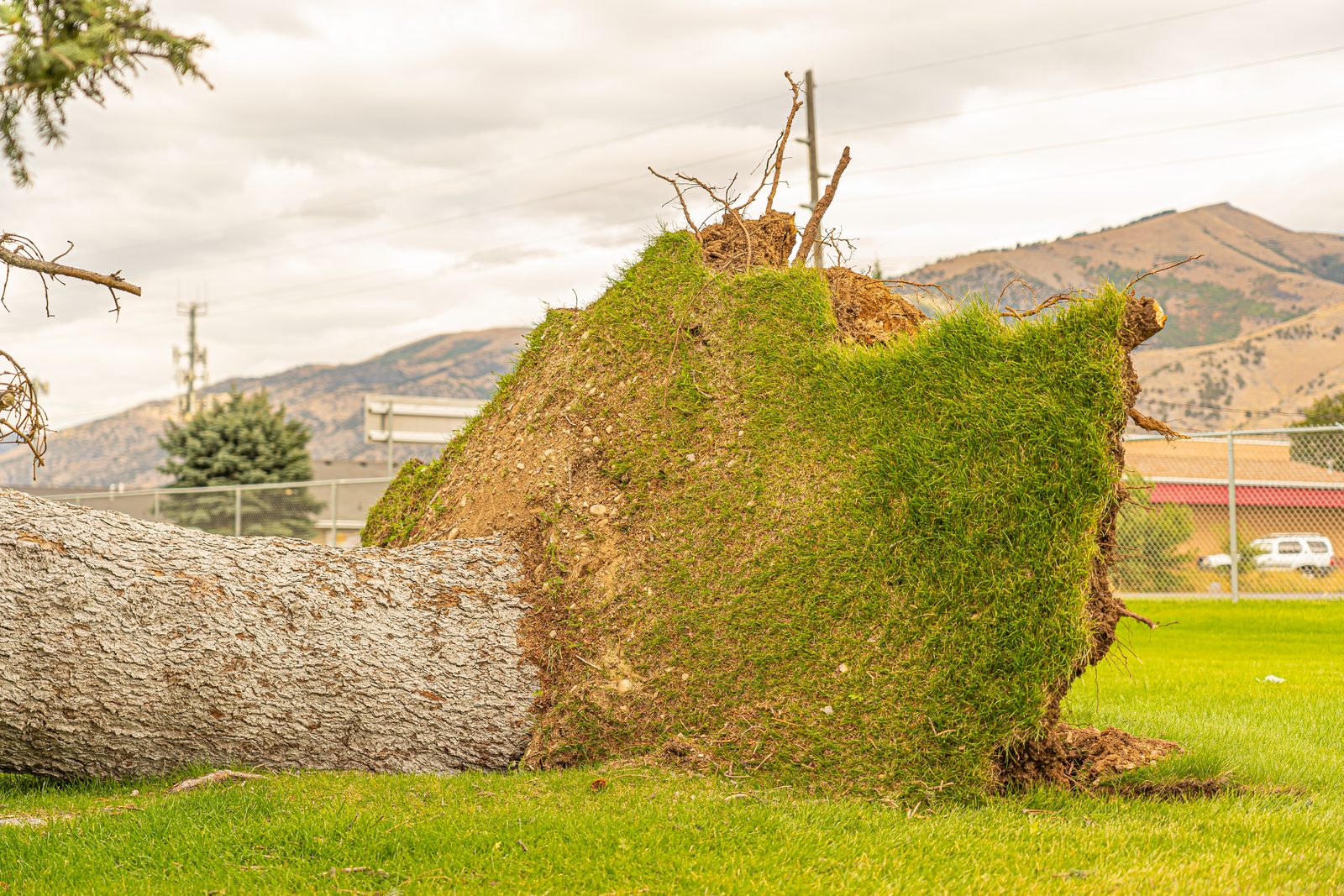
Drag the slider. This Kenwood laurel oak came down across the street. The road reopened the same morning.
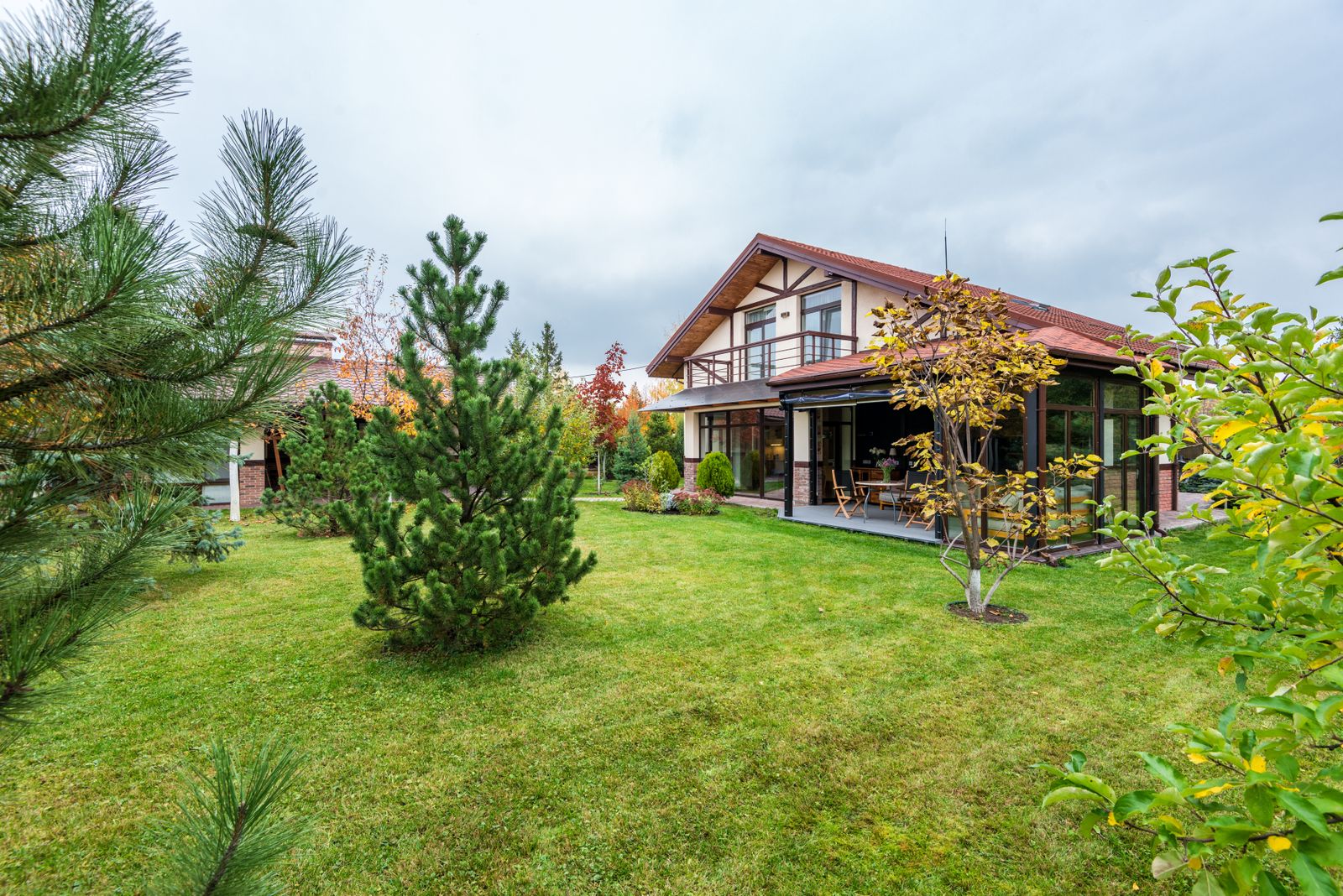
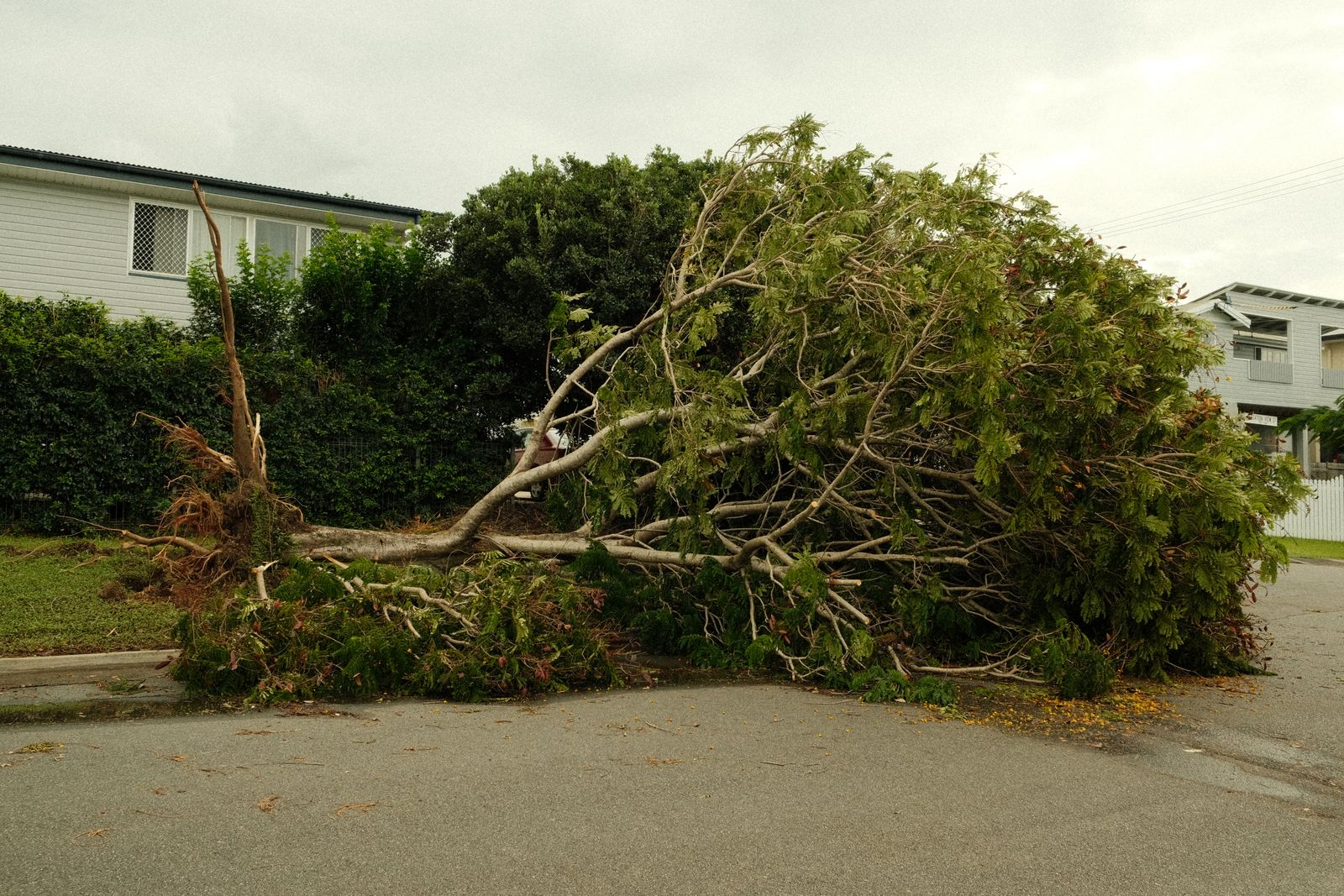
- Hangers cut out before anyone walks underneath
- Root plates ground out and the hole backfilled
- Photo log and itemised invoice for your insurer
Which trees hold, and which ones fail first
Species decides more than anything else you can do in June. Laurel and water oak are the trees we cut off roofs; live oak and sabal palm are the ones we keep.
Live oak
Quercus virginiana
Sheds small laterals, rarely fails whole
The most storm-firm shade tree in Tampa Bay. Dense wood, low centre of gravity, wide root plate. Work is usually deadwood removal and clearance from the roof, not thinning.
Sabal palm
Sabal palmetto
Bends, sheds fronds, holds the bud
The state tree survives category winds by flexing. Failures we see are rot at the bud after flooding, not wind. Never over-prune it before a storm.
Southern magnolia
Magnolia grandiflora
Minor limb loss
Flexible wood and a conical crown. Watch for co-dominant stems with included bark on older yard trees.
Bald cypress
Taxodium distichum
Top breakage in extreme gusts
Deep anchoring even in wet ground. Common along the Hillsborough River and rarely a removal candidate.
Laurel oak
Quercus laurifolia
Trunk and scaffold failure at decayed unions
Fast, weak and short-lived, planted everywhere in Tampa in the 1960s and 70s. Heart rot arrives around 50 years. This is the single most common tree we remove after a named storm.
Water oak
Quercus nigra
Scaffold limbs tear out over roofs
Same story as laurel oak, often worse. Cavities behind old flush cuts, fruiting bodies at the base, and limbs with more leverage than sound wood left to hold them.
Sand pine
Pinus clausa
Uproots in saturated sand
Shallow plate in dry sandy ridges. Saturate that soil for six hours and a sustained 60 mph wind walks the root plate out of the ground.
Queen palm
Syagrus romanzoffiana
Crown snap at a potassium-starved bud
Wind resistance depends almost entirely on nutrition. A chronically potassium-deficient queen palm has a weakened bud and can snap where a fed one bends.
Slash pine
Pinus elliottii
Mid-trunk snap, or uproots as a group
Better in a stand than alone. Pines left standing after a lot is cleared lose the shelter of their neighbours and fail in the first season.
Chinese tallow
Triadica sebifera
Brittle, shatters
Invasive, brittle and short-lived. We recommend removal and replacement rather than cabling.
What a pre-season prune is allowed to do
- Reduce end weight on the longest laterals over the roof, to a lateral at least one third the diameter of the cut stem.
- Remove deadwood over 2 inches where it can reach a target. Hangers from the last storm are the first thing to go.
- Leave the interior foliage alone. Stripping the inside of a crown (lion-tailing) moves weight to the tips and makes failure more likely, not less.
- Keep total live foliage removal in one season under about 25 percent on a mature tree, and far less on a stressed one.
Ratings follow post-hurricane survey groupings from university extension research and 17 seasons of our own storm work. Field guidance for planning, not a prediction: any tree can fail in the right wind on the wrong soil.
Palms are not small trees, and the hurricane cut is malpractice
A palm has one growing point and no way to seal a wound. What a crew does to it in June decides whether it is standing in October.
Cut at 9 and 3, never 10 and 2
Picture a clock on the face of the palm. Fronds below the 9-to-3 line are spent and can come off. Anything above it is still feeding the tree. The hurricane cut sold door to door every June (stripping the crown to a feather duster) removes the food supply, exposes the bud, and leaves a palm that is weaker in wind, not stronger.
- Fronds. Remove only dead, hanging or chlorotic fronds below horizontal. A healthy Sabal keeps a full round crown.
- Seed stalks. Flower and fruit stalks can be removed any time. On Sabal palmetto this is most of what a proper trim is.
- Boots. Do not shave the boots off a Sabal unless the owner wants the smooth look and the trunk is sound. Shaving wounds the trunk, and palms do not compartmentalise wounds the way a dicot does.
- Tools. No climbing spikes on a palm we intend to keep. Every puncture is permanent and is a door for Thielaviopsis trunk rot.
Potassium deficiency
Nutritional, not infectious
What you see
Translucent yellow-orange flecking on the oldest fronds, then necrotic frizzled tips while newer fronds look thin and stunted.
What we do
Soil-apply a controlled-release 8-2-12-4Mg palm fertiliser with micronutrients, four times a year. Never remove the deficient fronds: the palm is pulling potassium out of them to build the new ones. Recovery is measured in years, not weeks.
Queen, Canary Island date, Sabal, royal
Ganoderma butt rot
Ganoderma zonatum
What you see
A shelf conk, white then varnished brown, on the lower 4 feet of trunk. The canopy wilts and the trunk is already hollow when the conk shows.
What we do
There is no treatment and no fungicide. The palm is removed, and the site is not replanted with another palm, because the pathogen stays in the soil. We grind the stump and haul the material off site.
Every palm species in Florida
Bud rot after flooding
Phytophthora palmivora / Thielaviopsis paradoxa
What you see
The spear leaf discolours and pulls free with a light tug, smelling foul. Older fronds can look fine for weeks afterwards.
What we do
If the spear pulls, the bud is gone and the palm will not recover. Flooded or spike-wounded palms are the ones at risk, which is why we do not spike a palm we plan to keep.
Coconut, queen, royal, Canary Island date
Lethal bronzing
Candidatus Phytoplasma aculeata
What you see
Premature fruit drop, then a dead spear, then bronzing that moves up the crown from the oldest fronds.
What we do
Confirmed by lab assay of trunk tissue, not by eye. Neighbouring palms of susceptible species can be placed on preventative oxytetracycline trunk injections every four months by a licensed applicator.
Sabal, Phoenix species, queen
How deep a stump grind has to go
There is no single depth. What the ground has to do next sets the spec, and the honest part is what a grind leaves behind.
- Grind depth below grade
- 6 to 8 in
- Working radius
- Stump plus 12 in of flare
- Backfill
- Grindings back in, capped with 4 in of screened topsoil
Grass roots live in the top few inches, so this is all the depth turf needs. The cap matters more than the depth: pure grindings are 90 percent carbon and the microbes breaking them down pull nitrogen out of the soil, so sod laid straight onto chips yellows within a month.
- Roots stay. A grinder reaches about 3 ft from the stump. Lateral roots beyond that stay in the ground and decay over 3 to 7 years. That is normal and it is not a defect in the work.
- It settles. Expect 2 to 4 in of settling in the first year as the chips break down. We come back once to top it up on residential grinds.
- Chips multiply. Grindings occupy roughly one and a half times the volume of the wood they came from, so a 30 in stump leaves a mound, not a hole. Hauling that away is a separate line on the quote.
- Surface roots. Grinding does not fix roots lifting a sidewalk elsewhere in the yard. That is a root-pruning or a paving question, and cutting structural roots inside the critical root zone is how a healthy tree becomes a hazard tree.
Depths and radii are our standard specs, quoted per stump after the diameter and access are measured on site. Sample figures on a demo site.
Is that tree protected?
Measure the trunk and find out before anyone quotes you a removal.
That trunk is about
20 in DBH
Protected tree
A removal permit is required, and the city may require replacement inches on site. Trimming within the normal standard does not need a permit, but topping a protected tree can itself be a violation.
Sample thresholds modelled on the City of Tampa ordinance. Other municipalities in the bay area set their own. We confirm the parcel and the current code in writing before any protected tree comes down.
Under 5 in DBH
Not regulated
5 to 34 in DBH
Protected tree
34 in DBH and over
Grand tree
DBH is measured at 4.5 ft
Diameter at breast height, measured 4.5 ft above grade on the uphill side. On a multi-stem tree the stems are measured separately and combined by the ordinance formula.
The hazard exemption is not a shortcut
An imminent-hazard removal still needs documentation: photographs, the defect described in arboricultural terms, and a signed determination from an ISA Certified Arborist. We file that on the same day for storm work.
City and county rules differ
Tampa, Temple Terrace, unincorporated Hillsborough, Pinellas and Pasco all run their own ordinances and their own thresholds. We check the parcel before quoting, not after.
Mitigation is paid in inches
Replacement is usually expressed as caliper inches of new tree per inch removed, planted on site where there is room, or paid into a tree fund where there is not.
The hurricane-prep checklist our crews use at home
Open a phase and tick through it. The first list prevents most of the calls we get in September.

Seventeen seasons, counted
- 38 minAverage emergency arrival, last 12 months
- 4.9Star rating from 1,284 Google reviews
- 11,640+Trees trimmed, braced or removed since 2009
- 17Hurricane seasons of Tampa Bay storm work
Sample figures for a demo site.
Storm line, answered 24/7(813) 555-0137Insurance claim help, documented
Most Florida policies cover removal when a tree hits a structure. Here is how the file gets built.
- Minute 0
You call the storm line
A dispatcher logs the damage and assigns the nearest crew. Your claim file starts here.
- On arrival
Before-cut documentation
Wide shots, impact close-ups and the root plate or break point, all before a single cut.
- Same day
Removal on video
Crane picks and rigging are recorded with time stamps, then the tarp partner seals the roof.
- Within 24 hours
Itemized invoice and photo log
Removal, haul-off and stump grinding listed separately, the way adjusters read them.
- When needed
Adjuster walk-through
We share the file with your adjuster and can meet on site. Average approval for 2025 clients: 11 days.
We are not public adjusters. Coverage decisions rest with your insurer.
Before you hire the truck that knocks
After every hurricane, out-of-town crews work door to door. Compare this before anyone starts cutting.
| Feature | StormReadyLocal since 2009 | Out-of-town storm crewArrives after landfall | Doing it yourselfChainsaw and a ladder |
|---|---|---|---|
| Answers the phone at 2 a.m. | Yes | Sometimes | No |
| ISA Certified Arborist on site | Yes | Rarely | No |
| $2M liability and workers' comp | Yes | Ask to see it | No |
| Price published before the storm | Yes | No | Equipment rental |
| Claim-ready photo log and invoice | Yes | No | No |
| Crane and rigging for roof loads | Yes | Varies | No |
| Still here for warranty questions | Yes | No | N/A |
StormReady
Local since 2009
- Answers the phone at 2 a.m.
- ISA Certified Arborist on site
- $2M liability and workers' comp
- Price published before the storm
- Claim-ready photo log and invoice
- Crane and rigging for roof loads
- Still here for warranty questions
Out-of-town storm crew
Arrives after landfall
- Answers the phone at 2 a.m.: Sometimes
- ISA Certified Arborist on site: Rarely
- $2M liability and workers' comp: Ask to see it
- Price published before the storm
- Claim-ready photo log and invoice
- Crane and rigging for roof loads: Varies
- Still here for warranty questions
Doing it yourself
Chainsaw and a ladder
- Answers the phone at 2 a.m.
- ISA Certified Arborist on site
- $2M liability and workers' comp
- Price published before the storm: Equipment rental
- Claim-ready photo log and invoice
- Crane and rigging for roof loads
- Still here for warranty questions: N/A
Swipe to compare
4.9 stars from the people who called at 2 a.m.
1,284 Google reviews across Hillsborough, Pinellas and Pasco.
Three yards, staged before every named storm
Crews dispatch from the nearest yard, so Pinellas calls never wait on a bridge. See all service areas.
 Tampa
TampaTampa office & main yard
4120 W Cypress St, Unit B
Tampa, FL 33607Today: 7:00 am - 6:00 pm
Covers Tampa, Temple Terrace, Riverview
 Brandon
Brandon crew yard
905 Lithia Pinecrest Rd, Bay 4
Brandon, FL 33511Today: 6:30 am - 5:00 pm
Covers Brandon, Valrico, Riverview, Plant City
 Clearwater
Clearwater storm staging
2250 Gulf to Bay Blvd, Lot C
Clearwater, FL 33765Today: By appointment
Covers Clearwater, St. Petersburg, Dunedin
The crew behind the storm line

Started StormReady with one bucket truck after Tropical Storm Fay in 2008. Still walks most large removals himself.
ISA FL-6214A (demo)
Runs the 24/7 storm line and crew staging plan. Ten hurricane seasons of triage experience.
FEMA IS-100 trained
Specializes in no-drop rigging over roofs and pool cages. Has lowered more than 3,000 trees piece by piece.
ISA Certified Tree Worker
Former extension agent who leads our assessment reports and palm disease programs.
TRAQ qualified
Storm season reading
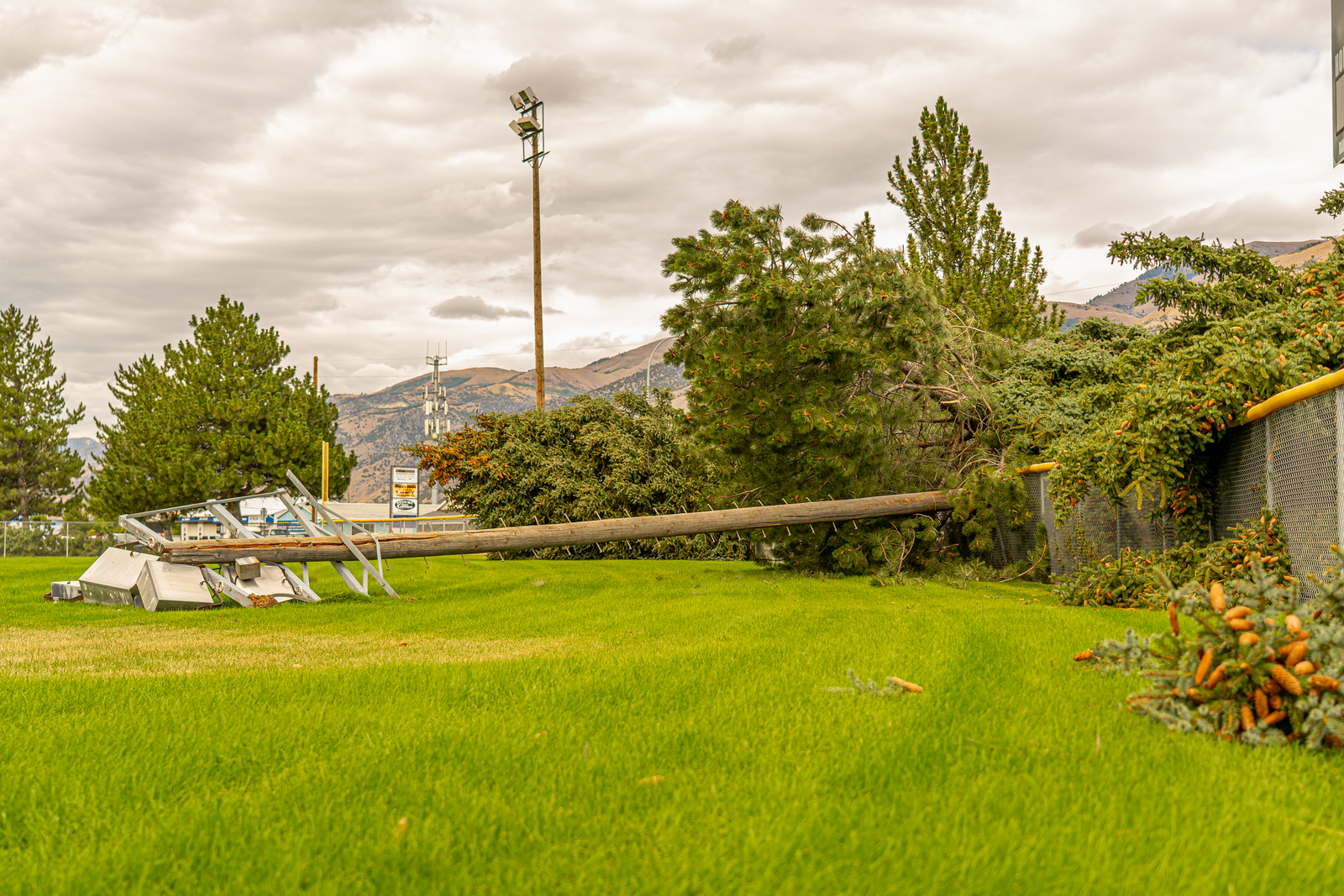 Storm prepThe Tampa Bay homeowner's tree prep plan for hurricane season
- Tree carePalm tree care in Tampa Bay: trimming, feeding and spotting lethal bronzing
- InsuranceDoes homeowners insurance cover tree removal in Florida?
- PermitsTree removal permits in Tampa, Pinellas and Pasco: what homeowners need to know
Big tree job, small monthly payments
Split any job over $1,500 into fixed monthly payments. Qualified homeowners can choose 12 months same-as-cash. Checking your rate takes two minutes and does not affect your credit score.
- Approval decision in minutes
- Terms from 12 to 60 months
- Use it alongside an insurance claim
Sample monthly payments
- Oak removal with crane$3,900 job$168/mo
- Storm cleanup, 3 trees$6,200 job$267/mo
- Half-acre lot clearing$8,400 job$362/mo
Sample figures for illustration only, based on 24 months at 9.99% APR. Financing through a third-party lender, subject to credit approval. Your terms may differ.
How a quote actually happens
Five steps, no sales visit, no pressure. Start it from this form and the office picks it up the same working day.
- 01
You call or send the form
A person in the Tampa office answers weekdays, and a dispatcher answers the storm line at any hour.
- 02
An arborist walks the property
Free, and usually within two business days. Crown, unions, root plate, targets and access all get looked at, not just the tree you asked about.
- 03
A written price, itemised
Inside 24 hours of the visit. Line by line: the work, the debris, the stump, the permit if one is needed. No verbal numbers.
- 04
Permit and HOA paperwork
We pull the city permit and write the HOA letter where the removal needs one. That is included, not an extra.
- 05
The crew works the plan
Ground mats down, rigging over anything that matters, and the site raked and blown before the truck leaves.
Tree on a house, a car or a power drop? Do not use the form. Call the storm line: (813) 555-0137
- ISA Certified Arborist on every estimate
- Licensed and insured, certificate on request
- Written price inside 24 hours
Prefer the long form with photo upload? Use the full estimate request, or browse all 8 services.