Tree Trimming & Pruning
Thin the sail, keep the tree. Wind-resistant pruning for oaks, palms and pines that cuts storm risk without topping.
What this service solves
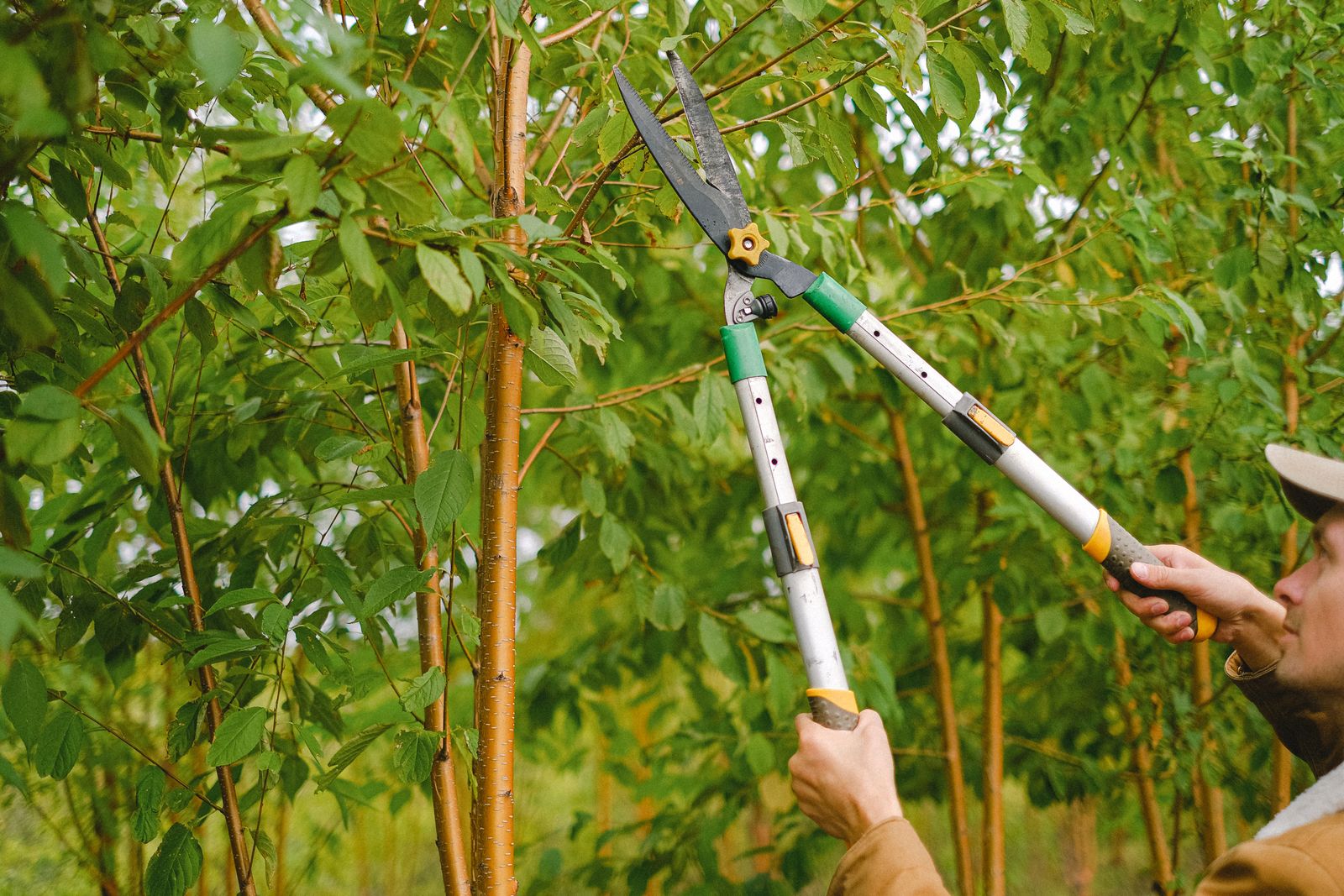
Most Tampa Bay trees that fail in a tropical storm do not fail because they are sick. They fail because a dense canopy acts like a sail and a single overextended limb levers the whole trunk. Our pruning crews reduce that sail area by selectively thinning interior growth, shortening end-weighted limbs and removing deadwood, so wind passes through the crown instead of pushing it over.
Every trim is led by an ISA Certified Arborist and follows ANSI A300 pruning standards. That means no topping, no lion-tailing and no climbing spikes on trees we are keeping. For palms we remove dead and hanging fronds and seed pods but leave the green fronds between nine and three o'clock, which protects the bud through the season.
How the job runs
Four steps, the same on every property, so you know exactly who is in your yard and what happens next.
- 1
Walk the canopy
An arborist marks every cut with you on site, flags weak unions and notes anything that needs cabling instead of pruning.
- 2
Protect the property
Plywood over pavers and pool edges, ground mats for the lift, and ropes to lower limbs instead of dropping them.
- 3
Prune to standard
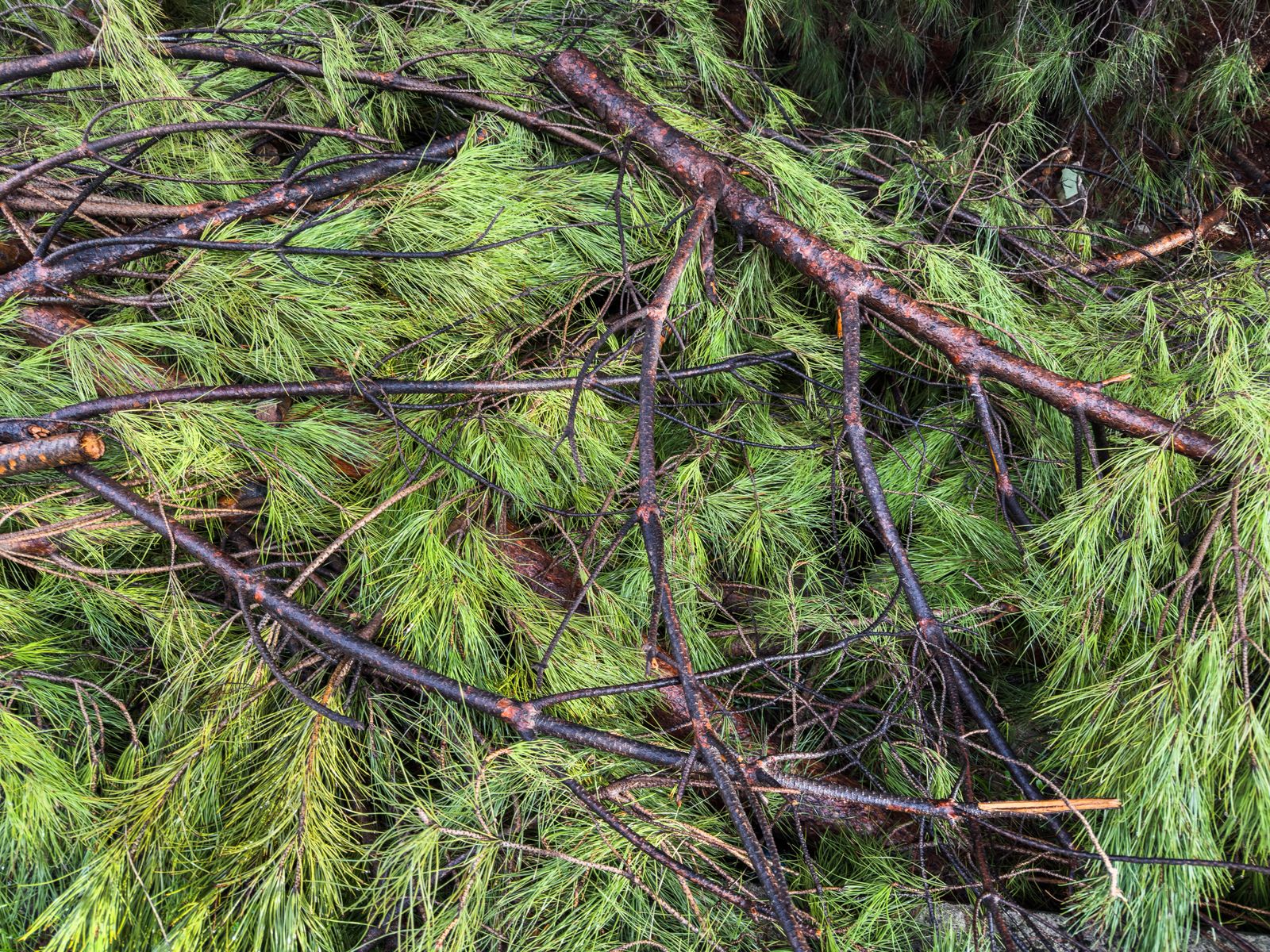
Climbers or a 60-foot lift make collar cuts that seal properly, working top down so nothing lands on finished work.
- 4
Clean and review
We chip on site, blow off the roof and gutters, and walk the yard with you before the truck leaves.
Why homeowners book it before storm season
Less wind load
A thinned crown lets gusts pass through, which lowers the chance of limb failure in a 60 mph storm.
Healthier trees
Proper collar cuts close faster and invite fewer borers and fungal infections than flush cuts.
Roof protection
Clearance keeps leaves out of gutters and stops limbs from scraping shingles and screen enclosures.
Insurance friendly
Many Florida insurers ask about overhanging limbs at renewal. We provide a dated work summary.
What affects the price
Every quote is written after an arborist sees the tree. These ranges are sample figures to help you budget.
| Factor | What we look at | Typical effect |
|---|---|---|
| Tree height | Under 30 ft, 30 to 60 ft, or over 60 ft | $385 to $1,650 |
| Access | Open yard vs. fenced, pool cage or no lift access | +10 to 35% |
| Proximity to structures | Limbs over roofs or lines need rigging and lowering | +15 to 25% |
| Palms | Queen, royal or sabal, priced per tree | $95 to $240 each |
Swipe to see the full table
Species decides what a prune can achieve
Wind firmness is mostly genetics and soil. Pruning helps at the margins, and the wrong prune makes it worse.
Live oak
Quercus virginiana
Sheds small laterals, rarely fails whole
The most storm-firm shade tree in Tampa Bay. Dense wood, low centre of gravity, wide root plate. Work is usually deadwood removal and clearance from the roof, not thinning.
Sabal palm
Sabal palmetto
Bends, sheds fronds, holds the bud
The state tree survives category winds by flexing. Failures we see are rot at the bud after flooding, not wind. Never over-prune it before a storm.
Southern magnolia
Magnolia grandiflora
Minor limb loss
Flexible wood and a conical crown. Watch for co-dominant stems with included bark on older yard trees.
Bald cypress
Taxodium distichum
Top breakage in extreme gusts
Deep anchoring even in wet ground. Common along the Hillsborough River and rarely a removal candidate.
Laurel oak
Quercus laurifolia
Trunk and scaffold failure at decayed unions
Fast, weak and short-lived, planted everywhere in Tampa in the 1960s and 70s. Heart rot arrives around 50 years. This is the single most common tree we remove after a named storm.
Water oak
Quercus nigra
Scaffold limbs tear out over roofs
Same story as laurel oak, often worse. Cavities behind old flush cuts, fruiting bodies at the base, and limbs with more leverage than sound wood left to hold them.
Sand pine
Pinus clausa
Uproots in saturated sand
Shallow plate in dry sandy ridges. Saturate that soil for six hours and a sustained 60 mph wind walks the root plate out of the ground.
Queen palm
Syagrus romanzoffiana
Crown snap at a potassium-starved bud
Wind resistance depends almost entirely on nutrition. A chronically potassium-deficient queen palm has a weakened bud and can snap where a fed one bends.
Slash pine
Pinus elliottii
Mid-trunk snap, or uproots as a group
Better in a stand than alone. Pines left standing after a lot is cleared lose the shelter of their neighbours and fail in the first season.
Chinese tallow
Triadica sebifera
Brittle, shatters
Invasive, brittle and short-lived. We recommend removal and replacement rather than cabling.
What a pre-season prune is allowed to do
- Reduce end weight on the longest laterals over the roof, to a lateral at least one third the diameter of the cut stem.
- Remove deadwood over 2 inches where it can reach a target. Hangers from the last storm are the first thing to go.
- Leave the interior foliage alone. Stripping the inside of a crown (lion-tailing) moves weight to the tips and makes failure more likely, not less.
- Keep total live foliage removal in one season under about 25 percent on a mature tree, and far less on a stressed one.
Ratings follow post-hurricane survey groupings from university extension research and 17 seasons of our own storm work. Field guidance for planning, not a prediction: any tree can fail in the right wind on the wrong soil.
Late winter through May is ideal. Trees are not pushing heavy new growth yet and you are finished before June 1. We still prune all season, but storm weeks fill the calendar fast.
No. Topping creates weak, fast regrowth that breaks more easily in wind. We reduce height with proper reduction cuts back to a lateral branch.
Usually 10 to 20 percent of the live canopy. Removing more stresses the tree and can trigger sprouting. The arborist will tell you exactly what is coming off before we start.
Standard pruning generally does not need a permit, but heavy work on protected grand trees can. We check the city or county rules for your address before scheduling.
Often booked together
All services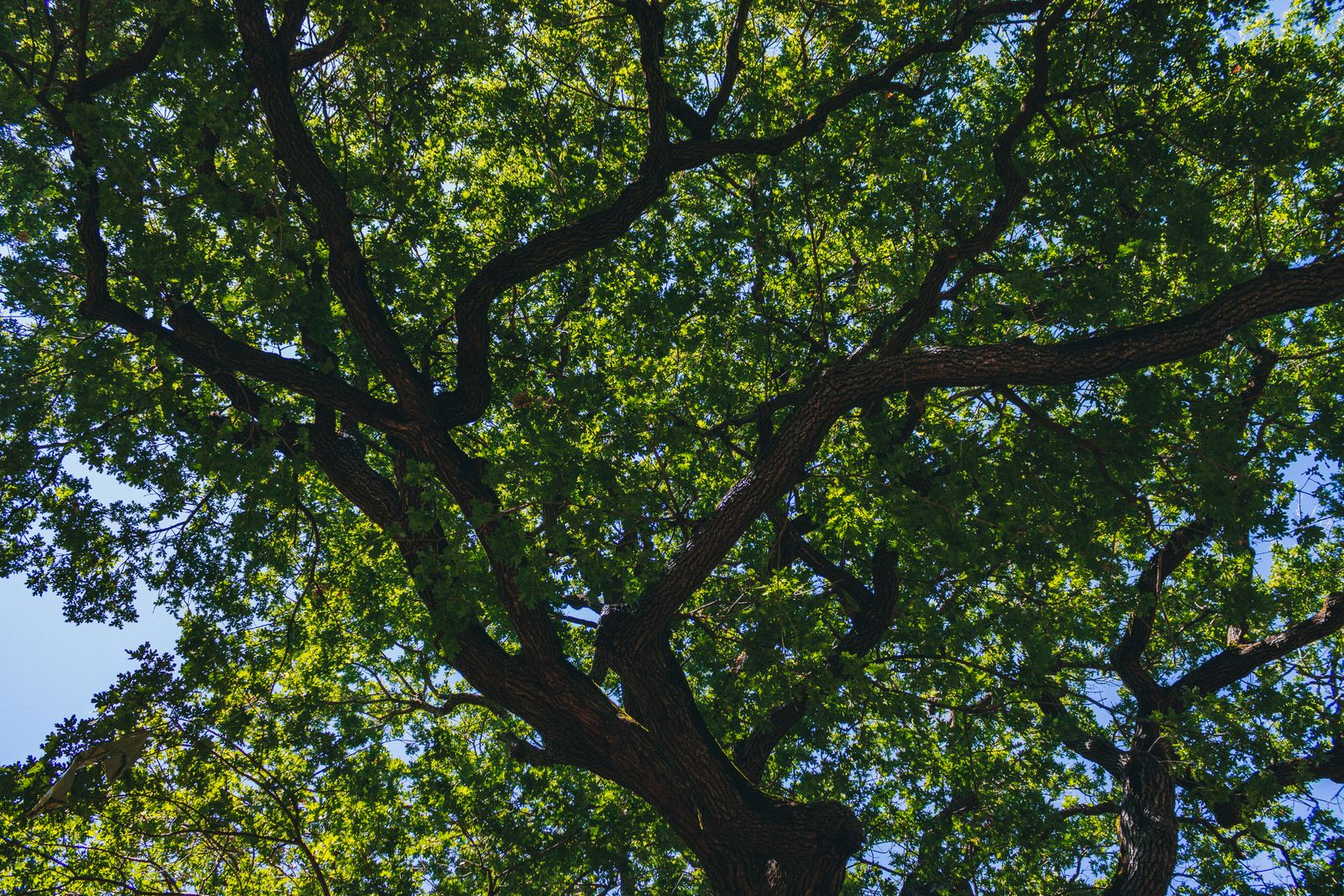 Cabling & BracingDynamic cables and threaded rods that support split leaders, heavy limbs and weak unions before a storm finds them.From $450
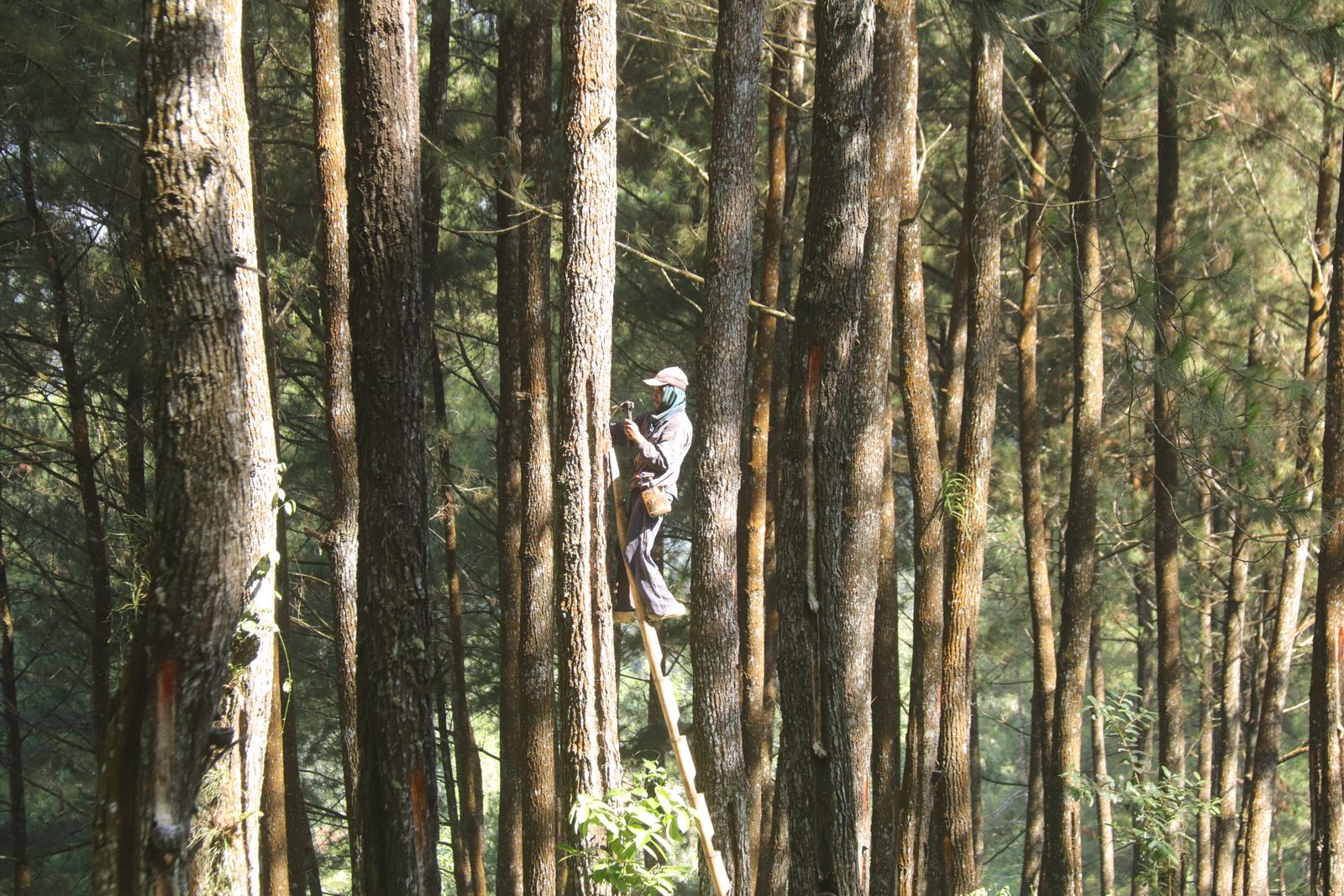 Arborist AssessmentTRAQ risk assessments, permit letters, HOA and insurance reports from an ISA Certified Arborist.From $175
 Plant Health CareDeep-root fertilization, soil care and targeted treatment for lethal bodying, scale, borers and oak decline.From $140
Get your tree trimming & pruning quote
A certified arborist walks your property and sends a written quote within 24 hours. No pressure, no surprise fees.
4.9 from 1,284 reviews, ISA Certified Arborists