Plant Health Care
Stronger trees stand up to storms. Seasonal feeding and pest treatment plans built around Tampa Bay's sandy soils.
What this service solves
Florida's sandy soils drain fast and hold few nutrients, and palms in particular show it with frizzled, yellow or spotted fronds. A stressed tree grows weaker wood and is more likely to shed limbs in a storm. Our plant health care program corrects deficiencies and catches pests before they turn into removals.
Every plan starts with an inspection and, where useful, a soil test. From there we schedule palm-specific slow-release nutrition, deep-root fertilization for hardwoods, and targeted treatments for scale, borers, and diseases like lethal bronzing that threaten palms across the region.
How the job runs
Four steps, the same on every property, so you know exactly who is in your yard and what happens next.
- 1
Inspect and test
We check foliage, bark and roots and pull soil samples where results will change the plan.
- 2
Build the plan
A seasonal schedule tailored to your species, soil and any active pest or disease pressure.
- 3
Treat on schedule
Visits line up with growth cycles, avoiding summer fertilizer blackout periods where they apply.
- 4
Track progress
Photos and notes after each visit show how the trees are responding.
Why homeowners book it before storm season
Storm resilience
Well-fed trees build denser wood and hold on to limbs better in high winds.
Protect palms
Early treatment is the difference between saving a royal palm and removing it.
Local rules followed
We follow Pinellas and Hillsborough fertilizer ordinances and blackout dates.
Fewer removals
Catching decline early costs far less than removing and replacing a mature tree.
What affects the price
Every quote is written after an arborist sees the tree. These ranges are sample figures to help you budget.
| Factor | What we look at | Typical effect |
|---|---|---|
| Number of trees and palms | Priced per visit for the property | $140 to $420 per visit |
| Treatment type | Nutrition, pest control or injections | +$35 to $180 per tree |
| Soil testing | Lab analysis with recommendations | $65 per sample |
| Annual plan | Prepaid season of visits | 10% off |
Swipe to see the full table
Palm nutrition and the four things that kill palms
A palm has one growing point and cannot compartmentalise a wound, so palm care is its own discipline.
Cut at 9 and 3, never 10 and 2
Picture a clock on the face of the palm. Fronds below the 9-to-3 line are spent and can come off. Anything above it is still feeding the tree. The hurricane cut sold door to door every June (stripping the crown to a feather duster) removes the food supply, exposes the bud, and leaves a palm that is weaker in wind, not stronger.
- Fronds. Remove only dead, hanging or chlorotic fronds below horizontal. A healthy Sabal keeps a full round crown.
- Seed stalks. Flower and fruit stalks can be removed any time. On Sabal palmetto this is most of what a proper trim is.
- Boots. Do not shave the boots off a Sabal unless the owner wants the smooth look and the trunk is sound. Shaving wounds the trunk, and palms do not compartmentalise wounds the way a dicot does.
- Tools. No climbing spikes on a palm we intend to keep. Every puncture is permanent and is a door for Thielaviopsis trunk rot.
Potassium deficiency
Nutritional, not infectious
What you see
Translucent yellow-orange flecking on the oldest fronds, then necrotic frizzled tips while newer fronds look thin and stunted.
What we do
Soil-apply a controlled-release 8-2-12-4Mg palm fertiliser with micronutrients, four times a year. Never remove the deficient fronds: the palm is pulling potassium out of them to build the new ones. Recovery is measured in years, not weeks.
Queen, Canary Island date, Sabal, royal
Ganoderma butt rot
Ganoderma zonatum
What you see
A shelf conk, white then varnished brown, on the lower 4 feet of trunk. The canopy wilts and the trunk is already hollow when the conk shows.
What we do
There is no treatment and no fungicide. The palm is removed, and the site is not replanted with another palm, because the pathogen stays in the soil. We grind the stump and haul the material off site.
Every palm species in Florida
Bud rot after flooding
Phytophthora palmivora / Thielaviopsis paradoxa
What you see
The spear leaf discolours and pulls free with a light tug, smelling foul. Older fronds can look fine for weeks afterwards.
What we do
If the spear pulls, the bud is gone and the palm will not recover. Flooded or spike-wounded palms are the ones at risk, which is why we do not spike a palm we plan to keep.
Coconut, queen, royal, Canary Island date
Lethal bronzing
Candidatus Phytoplasma aculeata
What you see
Premature fruit drop, then a dead spear, then bronzing that moves up the crown from the oldest fronds.
What we do
Confirmed by lab assay of trunk tissue, not by eye. Neighbouring palms of susceptible species can be placed on preventative oxytetracycline trunk injections every four months by a licensed applicator.
Sabal, Phoenix species, queen
Usually a potassium or magnesium deficiency, which is very common in sandy Florida soil. The fix is a palm-specific slow-release fertilizer applied on schedule, not lawn fertilizer.
Pinellas County and several cities restrict nitrogen and phosphorus fertilizer from June 1 to September 30. We adjust the plan and products to stay within local rules.
A bacterial disease spread by a planthopper that kills many palm species in Florida. Infected palms cannot be cured, but preventive injections protect healthy palms nearby.
Often booked together
All services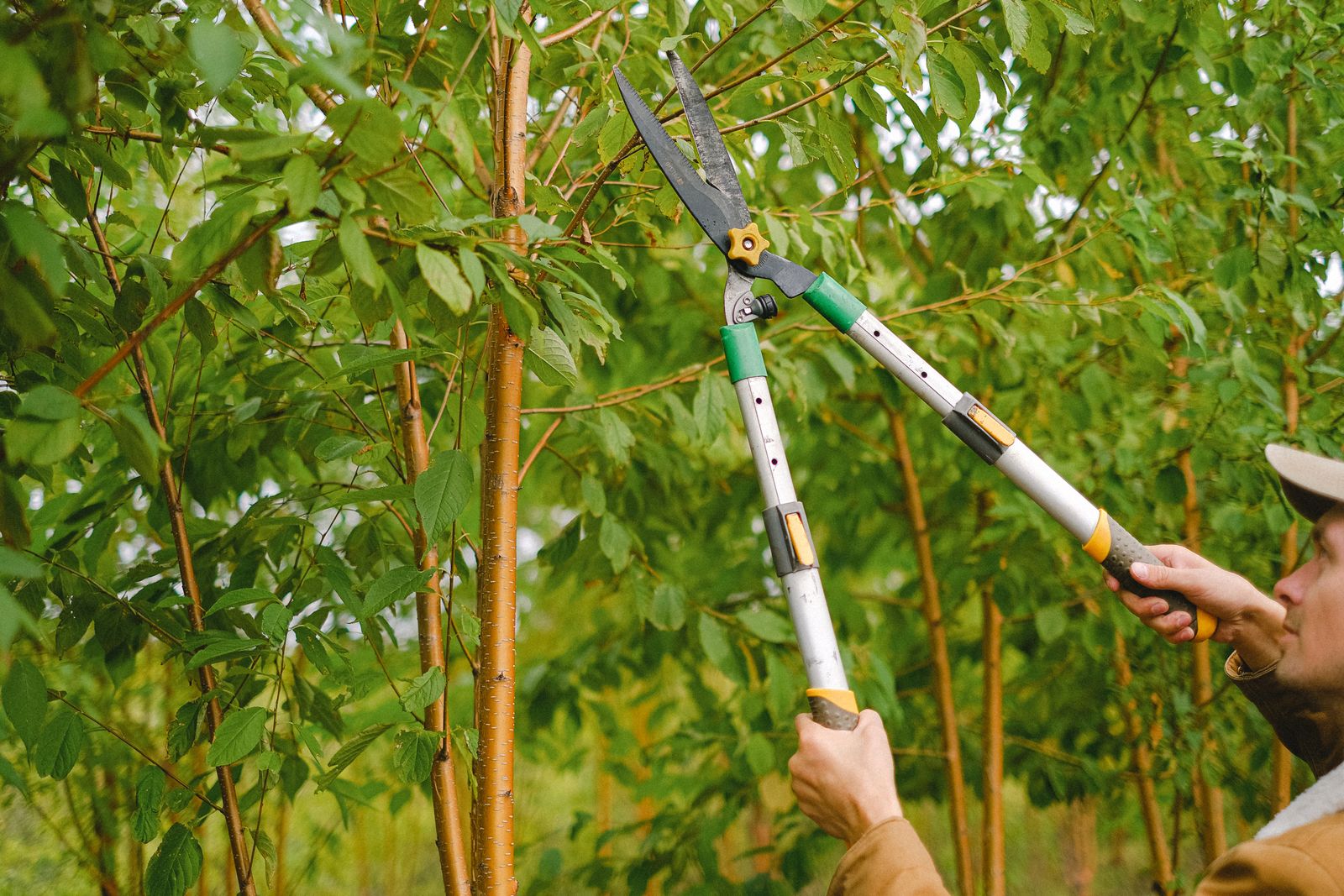 Tree Trimming & PruningHurricane-cut canopies, palm trimming, roof and power-drop clearance to ANSI A300 standards.From $385
 Arborist AssessmentTRAQ risk assessments, permit letters, HOA and insurance reports from an ISA Certified Arborist.From $175
 Cabling & BracingDynamic cables and threaded rods that support split leaders, heavy limbs and weak unions before a storm finds them.From $450
Get your plant health care quote
A certified arborist walks your property and sends a written quote within 24 hours. No pressure, no surprise fees.
4.9 from 1,284 reviews, ISA Certified Arborists