Tree removal permits in Tampa, Pinellas and Pasco: what homeowners need to know
Protected sizes, grand trees, the Florida hazard-tree law and how to avoid a stop-work order in your own backyard.
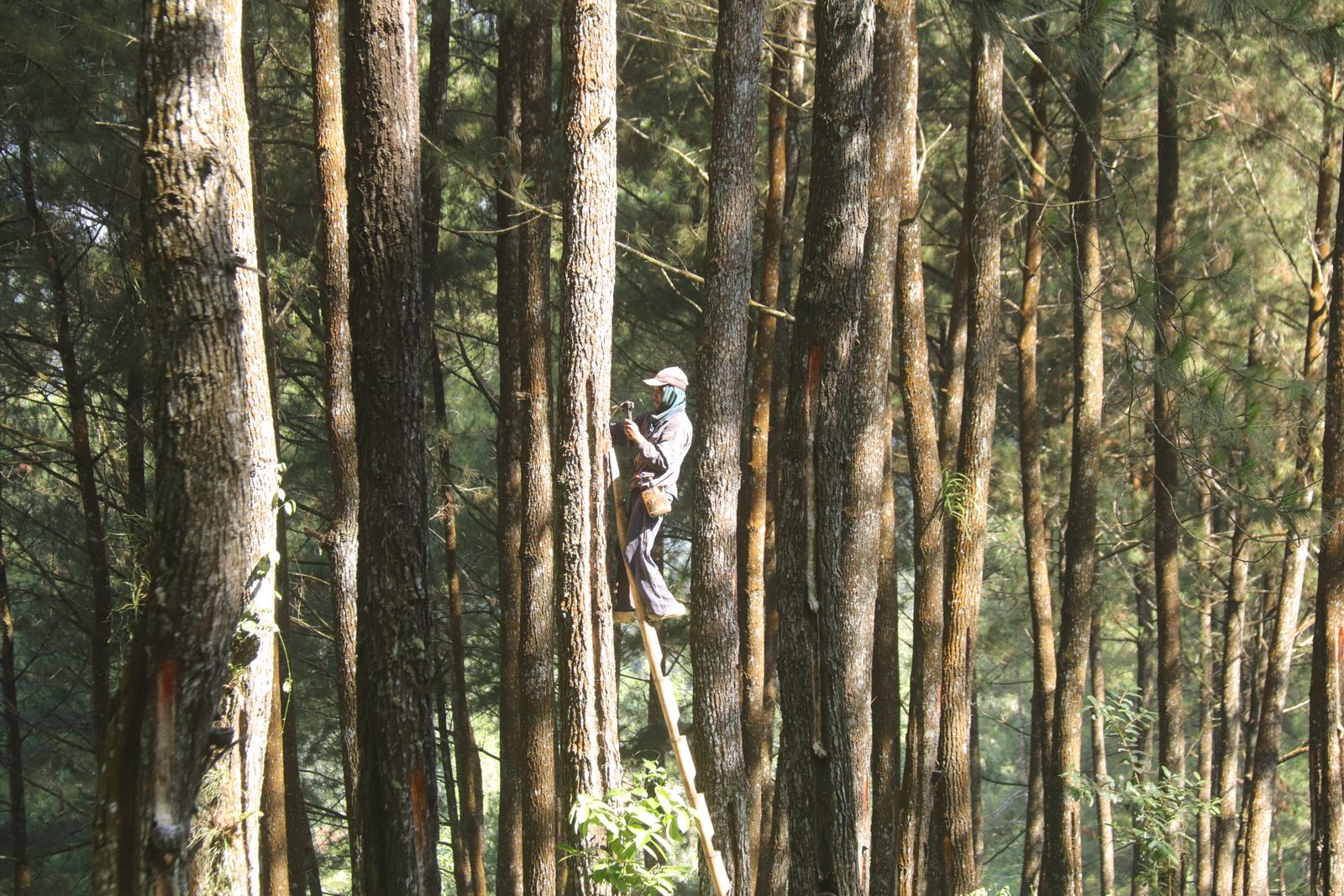
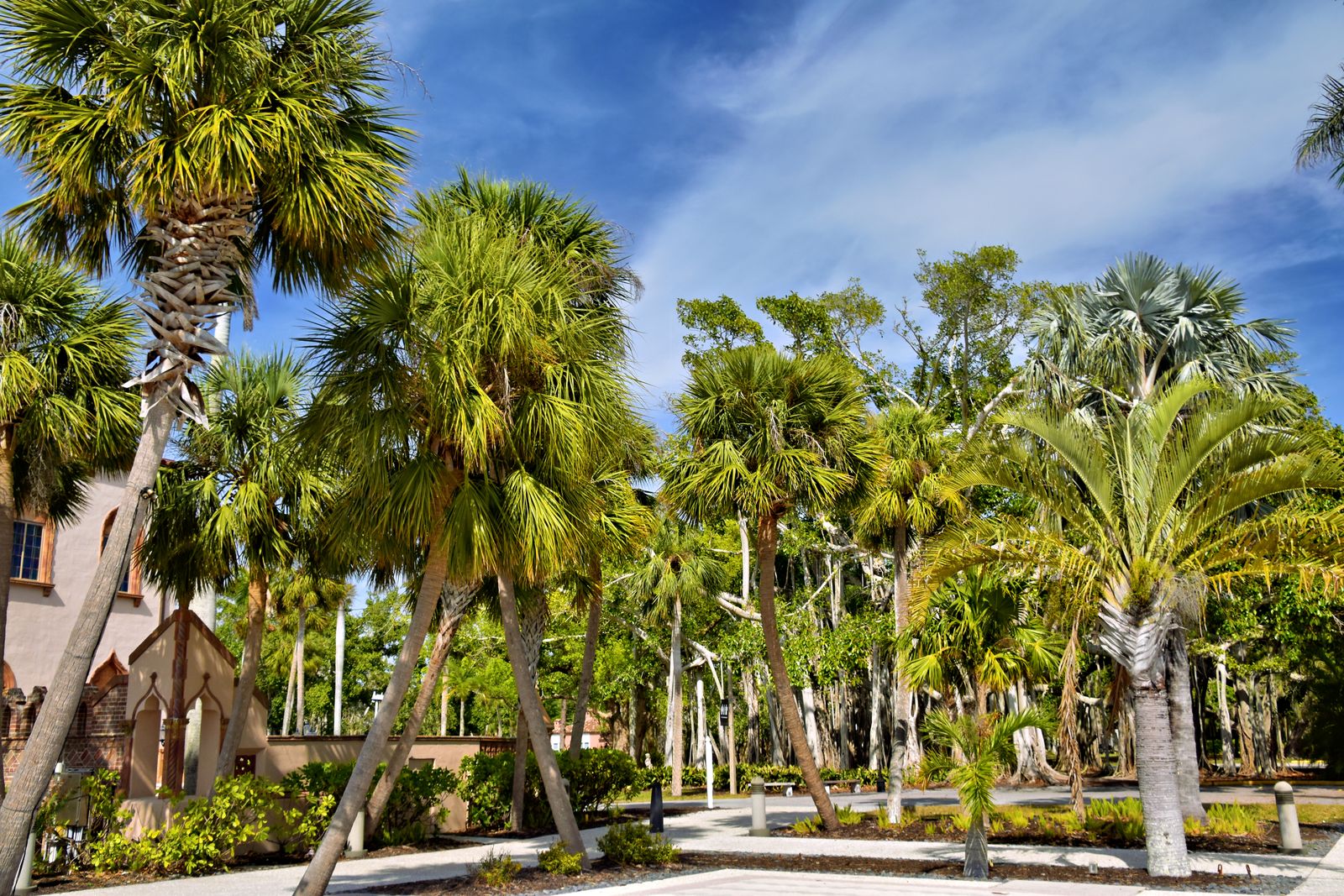
Few things frustrate homeowners more than learning they need permission to remove a tree on their own property. But in much of Tampa Bay, that is exactly the situation. Local tree ordinances exist to protect the regional canopy, which cools neighborhoods, manages stormwater and raises property values. Knowing the rules up front saves you fines, delays and the occasional very awkward conversation with a code enforcement officer.
Ordinances change and every parcel is different, so treat this as an overview. We confirm the current rules for your specific address before we quote any removal.
City of Tampa
Tampa's tree code protects most trees with a trunk diameter of 5 inches or more measured at 4.5 feet above the ground. Grand trees, generally 32 inches in diameter or larger for most species, receive extra protection and a more detailed review.
- Removal of a protected tree usually requires a permit and may require replacement trees or a payment into the city tree fund.
- Grand tree removals often require documentation from a certified arborist.
- Some species, such as invasive Brazilian pepper and Chinese tallow, are exempt and can be removed freely.
- Pruning generally does not require a permit, but severe pruning that removes more than a set share of the canopy can be treated as a removal.
Pinellas County and St. Petersburg
St. Petersburg and many Pinellas municipalities protect specific species and sizes, with signature trees such as large live oaks receiving the most protection. Unincorporated Pinellas has its own rules. Clearwater and other cities maintain separate ordinances, and HOAs frequently add another approval layer on top of the city process.
Pasco County and Wesley Chapel
In Pasco County, tree permits are most often triggered by land clearing and development rather than single-tree removals on established lots. Clearing larger areas can also require protected species surveys, most commonly for gopher tortoises, before any equipment moves in.
The Florida hazard-tree law
Since 2019, Florida Statute 163.045 has prevented local governments from requiring a permit, fee or replacement for removing a tree on residential property when the owner obtains documentation from an ISA Certified Arborist or a Florida licensed landscape architect that the tree presents a danger to people or property.
The hazard documentation needs to be real. A reputable arborist will not sign a danger letter for a healthy tree just because the owner is tired of raking leaves.
This law has made it much easier to remove genuinely dangerous trees quickly, especially before hurricane season. It does not cover healthy trees you simply want gone, and it does not override HOA covenants.
How to avoid permit problems
- Ask your tree company who is responsible for checking permits. At StormReady, we are, and it is included in every quote.
- Get HOA approval in writing before scheduling, even if the city does not require a permit.
- Keep a copy of the permit or arborist hazard letter on site during the removal.
- Photograph the tree before work starts in case questions come up later.
- Plan replacement trees early. Many ordinances accept native species that work well in small yards.
Emergency removals
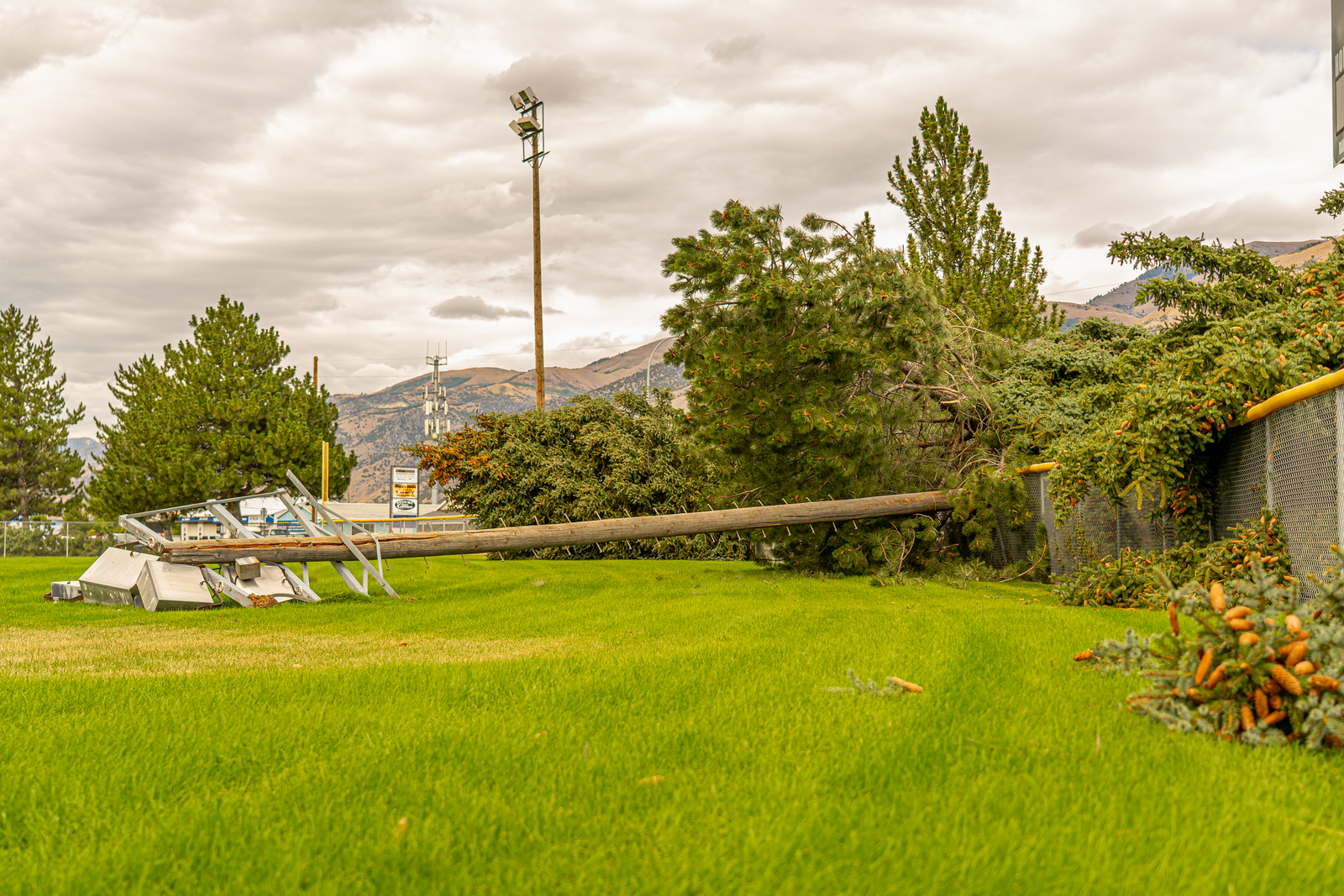
When a storm drops a tree onto a home or across a road, emergency removal is generally allowed without waiting for a permit. Documenting the situation with photos protects you if questions come up afterward. For everything else, a quick permit check before the chainsaws start is the easiest way to keep a simple project simple.
This article is general information for Tampa Bay homeowners and is not legal or insurance advice.